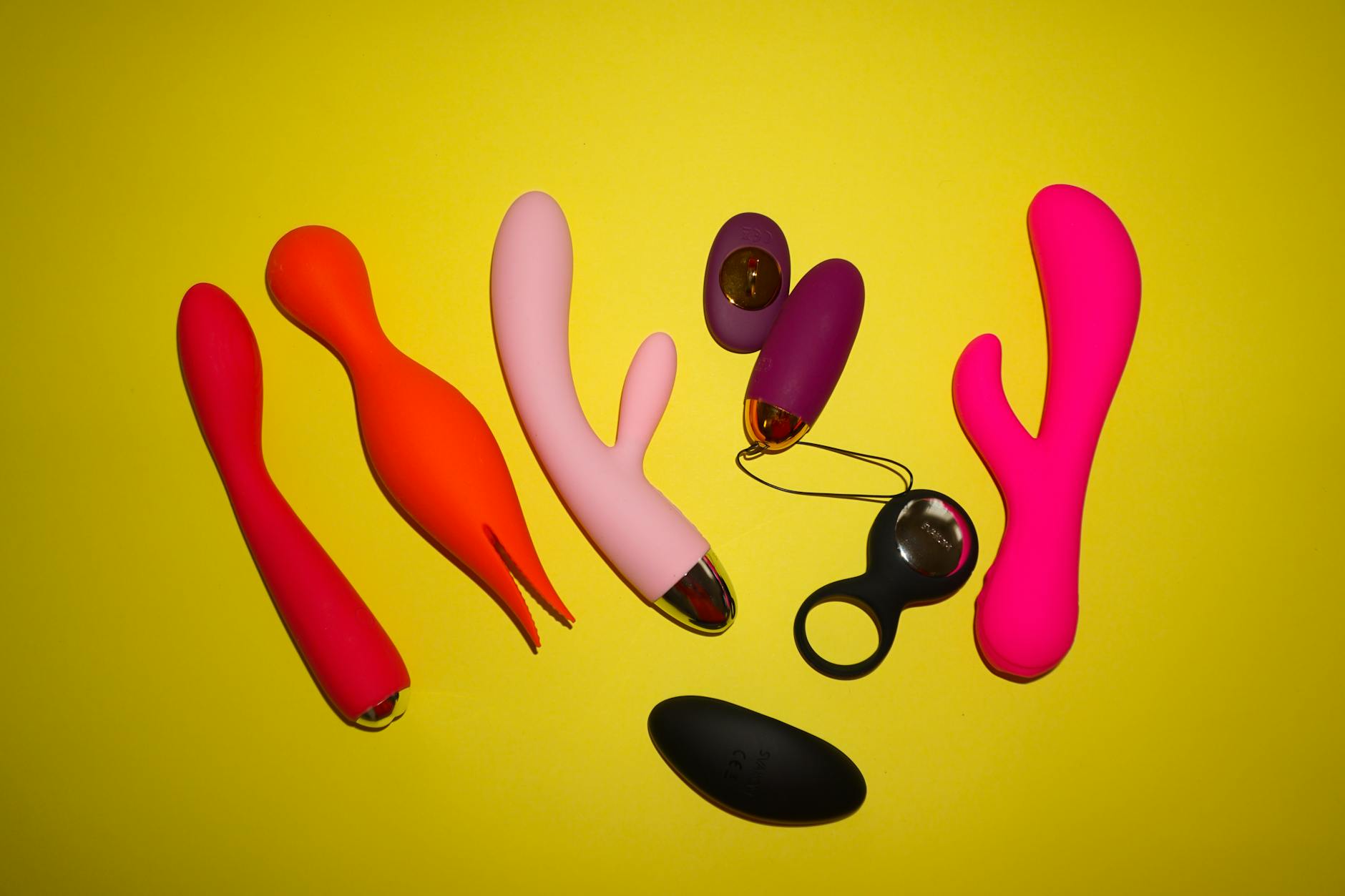
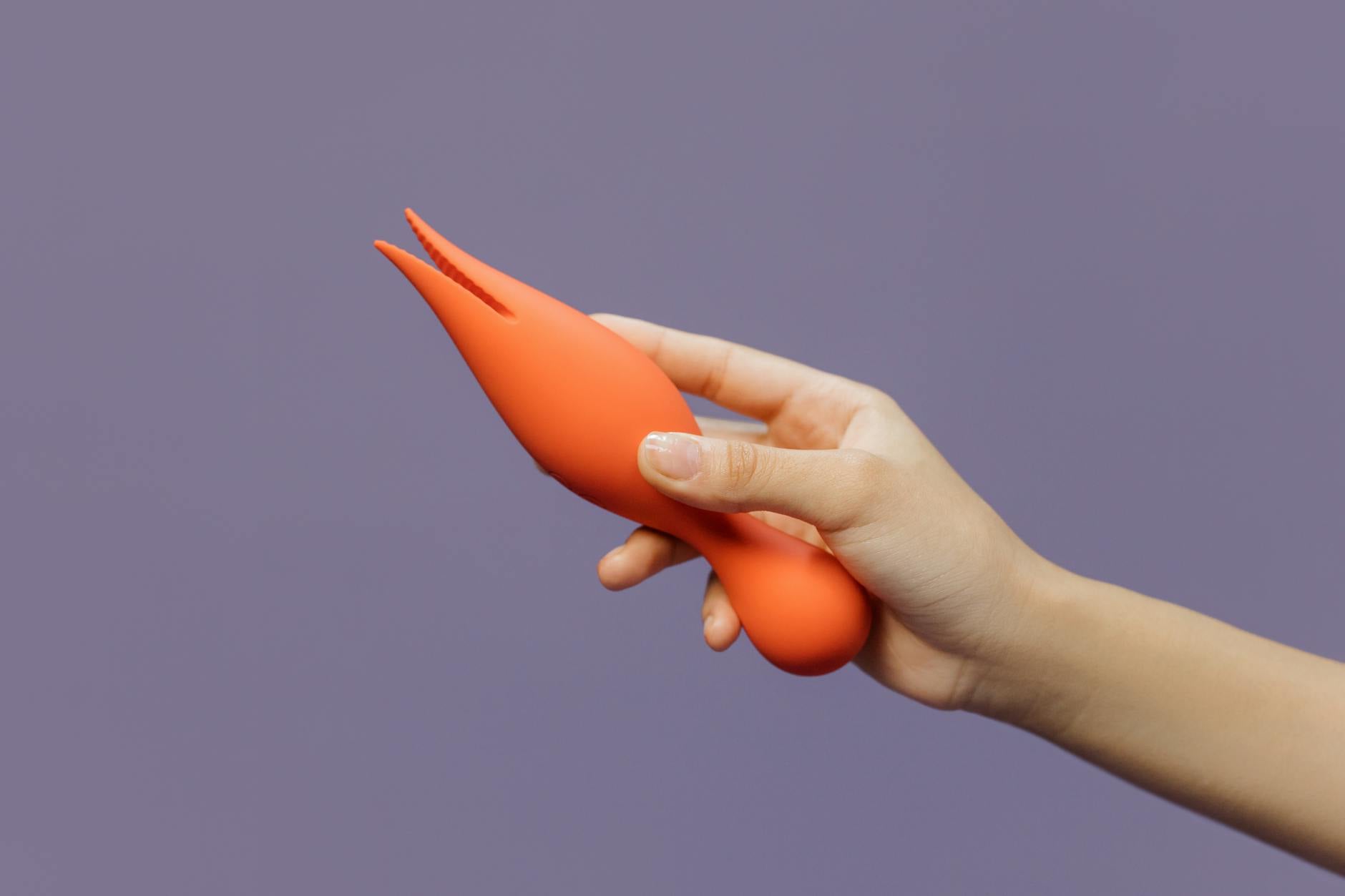
You want to use a lemon vibrator with your partner. But the thought of actually doing it makes you feel exposed, a little ridiculous, maybe even worried they'll take it the wrong way. So you don't mention it. And nothing changes.
I see this in my office constantly. People (especially women and non-binary folks) have orgasms alone with vibrators and genuinely good experiences, but the idea of bringing that into partnered sex feels like admitting something is broken. It's not. It's actually the opposite.
Let's name the anxiety first, because it's real and it matters. The unspoken worry usually lands somewhere in this neighbourhood:
"If I need a vibrator to come with them, does that mean they're not enough? Will they feel threatened? Will they think I'm bored? Will it kill the mood?"
None of that is true. But the cultural messages around partnered sex are ancient and stubborn. We've been sold the idea that a good sexual connection means bodies fitting together perfectly without any tools, toys, or negotiation. That porn-style fantasy doesn't describe actual pleasure for most people. It especially doesn't describe pleasure for people with vulvas. About 65-75 percent of women need clitoral stimulation to orgasm reliably, and most partnered sex positions don't provide that naturally. Using a lemon clitoral vibrator isn't a workaround. It's the actual design of your body showing you what works.
The second layer of resistance is practical: you genuinely don't know how to bring it up. The conversation feels awkward. You imagine stumbling over words, your partner getting defensive, the whole thing turning into a therapy session. So instead you stay quiet.
First: pick the right moment. Not during sex, not in the middle of conflict, not when either of you is tired or stressed. This is a five-minute conversation over coffee or before bed. Casual location, low stakes.
Second: own your own pleasure. The most effective frame I've found goes like this:
"I've noticed that I come more easily and intensely when I use a vibrator. I love what we do together, and I want to explore if we can incorporate that into what we do. I'm interested in trying it together if you are."
Notice what's not in that sentence: apologizing, explaining why your body works the way it does, qualifying your desire. You're naming a fact (this helps me orgasm), expressing what you want (to include it with you), and leaving space for their input (if you are).
If they seem hesitant, you're looking for genuine curiosity, not agreement. Ask: "What are you worried about?" Listen. There's often something real under the resistance. Maybe they think it means they're doing something wrong. Maybe they've internalized the same cultural messages you have. Maybe they're worried about logistics. Once you hear it, you can actually address it instead of guessing.
You've had the conversation. You're both on board. Now the practical question: how does a lemon vibrator actually integrate into what you're already doing?
Start simple. Most partners use clitoral vibrators during penetration, which means your partner is doing their thing while you're using the vibrator on your clit. This usually works best when you're on top or lying on your back, because you have full control of the angle and pressure. Some partners use it during foreplay and then move it away when they enter. Others keep it going the whole time. There's no rule. You experiment and find what feels good.
The Lem vibrator, for example, works beautifully in couples scenarios because the suction design is quieter than traditional vibrations and the sensation is distinct enough that you're not confusing your partner's touch with the toy's sensation. It's its own thing, running alongside what your partner is doing.
One practical tip: have lubricant nearby and be willing to use more than you think you need. That's not because something is wrong. It's because when you're managing sensation from two sources, your body's natural response shifts slightly, and extra glide helps everything feel better. Water-based lube works with all materials and doesn't get sticky.
Timing matters too. Some people prefer to come before penetration so the afterglow carries through. Others want the vibrator during. Again, you're discovering this together, which is actually kind of fun once the awkwardness lifts.
Some couples go the other direction: the partner holds or operates the vibrator while the other person focuses on sensation and response. There's something genuinely intimate about that, because your partner is literally holding your pleasure in their hands and adjusting based on what they see and hear from you.
If this appeals to you, the communication is even simpler. You need to be able to say "a little faster," "stay there," "lighter pressure," "that's perfect" without it feeling like directing a scene. Your partner needs to genuinely want to be in that role, not do it out of obligation. When both things are true, it can be incredibly connecting.
This is where how lemon vibrators feel different for long-term couples becomes relevant. Over time, partnerships develop a kind of sexual literacy. You know each other's bodies better. You're less afraid to ask for what you want. Introducing a vibrator into that foundation feels natural instead of jarring.
Here's what I notice changes in couples who successfully integrate vibrators into partnered sex: the pressure lifts. Both people stop performing for an imaginary audience and start actually enjoying what's happening. You stop asking "is this working?" and start noticing "this is working."
For the partner who's using the vibrator, there's often a relief. You get to feel confident in your body instead of worried. Your partner usually notices and appreciates that shift. Confidence is genuinely attractive.
For the partner who isn't, there's usually curiosity that replaces defensiveness. Watching your partner have an intense orgasm with the tool that works for them is hot. Knowing you helped create that moment is hot. The thing that felt threatening when you were imagining it becomes pretty satisfying when it's actually happening.
Not everyone comes around immediately. Some partners have old stuff about sex, masculinity, or control that makes vibrators complicated. If you've had the conversation, explained what you want and why, and they're still shutting it down, that's information too.
In my practice, this usually points to something deeper that's worth exploring. Sometimes it's insecurity that needs reassurance. Sometimes it's a values conflict that needs real conversation. Sometimes it's just different sexual styles that need negotiation. A good marriage counselor or sex therapist can help you actually get somewhere instead of staying stuck.
But here's what I'll say firmly: your pleasure matters. Not more than your partner's comfort, but equally. If you need clitoral vibration to orgasm reliably and your partner categorically won't let you use it, you have a relationship problem disguised as a sex toy problem. That's worth addressing directly.
Using a lemon sucker or clitoral vibrator with a partner isn't adding something because something is missing. It's expanding what you're already doing. Think of it like cooking together. You have a great recipe you've been making for years. Adding a new spice doesn't diminish the recipe. It makes it richer.
Most couples find that once they get past the initial awkwardness, incorporating vibrators becomes part of their normal sexual rhythm. It's not a special occasion thing. It's just one of the tools in the toolkit, like positions or lubricant or a certain touch.
If you want a more detailed framework for talking about pleasure with your partner generally, our guide on using lemon vibrators in long-distance relationships covers communication strategies that apply whether you're separated by miles or just across the bed.
No. The vibrations don't rewire your body. What sometimes happens is that you discover what kind of stimulation actually gets you there, and then that becomes your baseline. That's learning about your body, not dependence. Many people find they can orgasm in various ways once they understand what their body needs. The vibrator is a tool for discovery, not a trap.
It's not weird. It's actually really common. Some partners find it hot to control the sensation and watch their partner respond. If you're comfortable with it, it can be deeply intimate. If you prefer to control it yourself, that's equally valid. The point is figuring out what works for both of you.
That's fine. Many couples have different sexual styles and preferences. You can use vibrators alone and have regular partnered sex without them. These aren't mutually exclusive. The goal is figuring out what works for your body and your relationship, not forcing one approach to cover both.
Actually, long-term couples often have an easier time with this conversation because they've usually navigated other vulnerable topics. You can literally say: "I want to talk about something that feels a little awkward to bring up." That honest opener usually softens the whole thing. Also, reframe it as exploration, not a complaint about what isn't working.
Yes. The vibrator doesn't interfere with conception. If you're tracking ovulation and timing sex strategically, adding a vibrator to your routine just means you might enjoy the process more. That's actually helpful, because you're more likely to have sex when it matters if you're actually looking forward to it.
Start smaller. You don't have to have the full conversation immediately. You can mention it casually once, let it sit, see if they bring it up. You can send an article about this topic. You can say "I read something interesting about vibrators and couples" and gauge their response. Sometimes people need time to sit with an idea before they can engage with it seriously. That's okay. The conversation doesn't have to happen all at once.