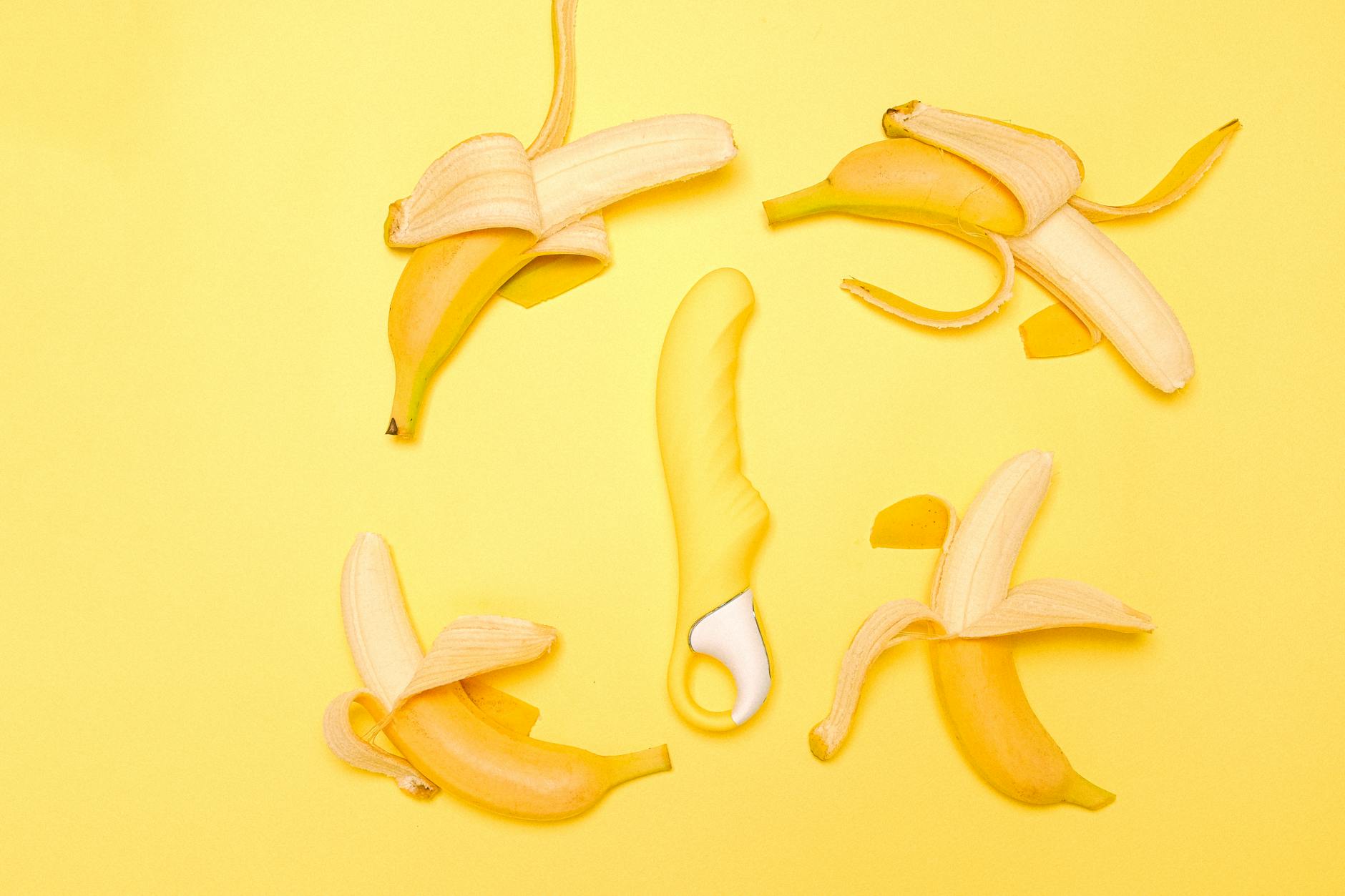
Your clitoral sensitivity shifts with estrogen. Here's what that actually means for sensation, pleasure, and why a lemon vibrator might feel better than ever.
Turning 40 doesn't flip a switch. But estrogen does shift, and that shift changes how your clitoris responds to touch, pressure, and stimulation like lemon vibrators or other clitoral toys. The good news: different doesn't mean diminished. It means you need to understand what's happening so you can work with your body instead of against it.
Here's the thing nobody explains clearly. The clitoral tissue gets less plump as estrogen drops. Blood flow patterns change slightly. The protective hood might feel different. But the nerve endings are still there. The capacity for pleasure is absolutely still there. You're not losing sensation. You're experiencing a shift in how sensation registers.
Your clitoris is about 90% internal. The external glans (the visible part) is packed with nerve endings. Around 40, three things happen physiologically:
1. Tissue thickness decreases. Estrogen keeps tissue plump and flexible. As it drops, the skin around your clitoris becomes slightly thinner. This sounds scary. It's not. It means sensation can feel sharper or more direct, which many people actually prefer.
2. Blood flow shifts. Arousal still brings blood to the clitoris, but it may arrive a beat slower. You might notice it takes longer to feel fully engorged. This is why warm-up time matters more after 40.
3. Lubrication changes. Even if you're not in menopause, estrogen affects vaginal moisture. A water-based lubricant becomes less optional and more essential. With lube, sensation often improves because friction disappears and stimulation becomes cleaner.
None of this stops orgasms. It changes the rhythm.
This is where it gets interesting. I've worked with hundreds of clients over 40, and a consistent pattern emerges. Many report that air-suction clitoral vibrators like the Lem feel more satisfying than they did in their 30s. Three reasons:
Suction vs. friction. Traditional vibrators rely on direct oscillation against tissue. Lemon suction toys work differently. They create a seal and pulse air around the clitoris, which stimulates nerves without the same level of mechanical pressure. For thinner tissue, this is often gentler and more precise.
Longer sessions, deeper focus. After 40, many people stop rushing. You're not fitting this in between work stress and relationship maintenance. You're intentional about it. Lemon vibrators reward patience. The longer you stay with one pattern, the more your nervous system responds. That builds pleasure in ways quickie sessions never do.
Confidence in what works. By 40, you know your body. You're not performing. You're not wondering if you're doing it right. You just use what feels good. That mental clarity alone changes everything. A lemon clitoral vibrator in the hands of someone who trusts themselves is exponentially more effective than the same toy used by someone asking permission.
Let's be direct. If you're over 40 and using any clitoral vibrator without lubrication, you might be working three times harder for half the sensation. Water-based lube isn't a sign something's wrong. It's a tool that works better now.
Why? Thinner tissue is more sensitive to friction. Lube removes that friction and lets stimulation feel like pure sensation instead of pressure. Plus, lube warms up as you move. It creates a gliding surface that lets the suction of a lemon vibrator work more efficiently. You'll notice the difference in literally the first 30 seconds.
Don't switch to silicone-based lube with silicone toys. Stick to water-based. It washes out easily, rehydrates if it dries, and won't degrade your toy.
If you're still cycling at 40+, your response to lemon vibrators will still vary across your menstrual cycle. Around ovulation, estrogen peaks, and you might feel more engorged. Right before your period, tissue can feel more sensitive to pressure. This is normal.
If you're perimenopausal or post-menopausal, you lose the cycle variability, which honestly simplifies things. Your baseline is more consistent month to month. You can dial in what works and stick with it.
Either way, tracking what patterns feel best is useful. Some of my clients keep a simple note on their phone about which pattern settings on their Lem feel best on a given day, factoring in stress, sleep, and where they are hormonally. It sounds clinical, but it's really just paying attention. That attention pays off.
Over 40, many people find they prefer lower starting intensities than they might have in their 20s. Not because the clitoris is less responsive, but because the tissue is more sensitive to sustained pressure. If you start on a high pattern with a lemon vibrator, you might hit overstimulation before pleasure even arrives.
The play here is to start low (patterns 1-3 on most devices), warm up for 10-15 minutes, and then shift up if you want more intensity. Your nerve endings might surprise you. Lower intensity often produces more nuanced, longer-lasting sensation than cranking straight to maximum.
That said, some people over 40 report the opposite. They find they need more intensity to feel clear sensation. Listen to your body, not a guidebook. You're the expert on you.