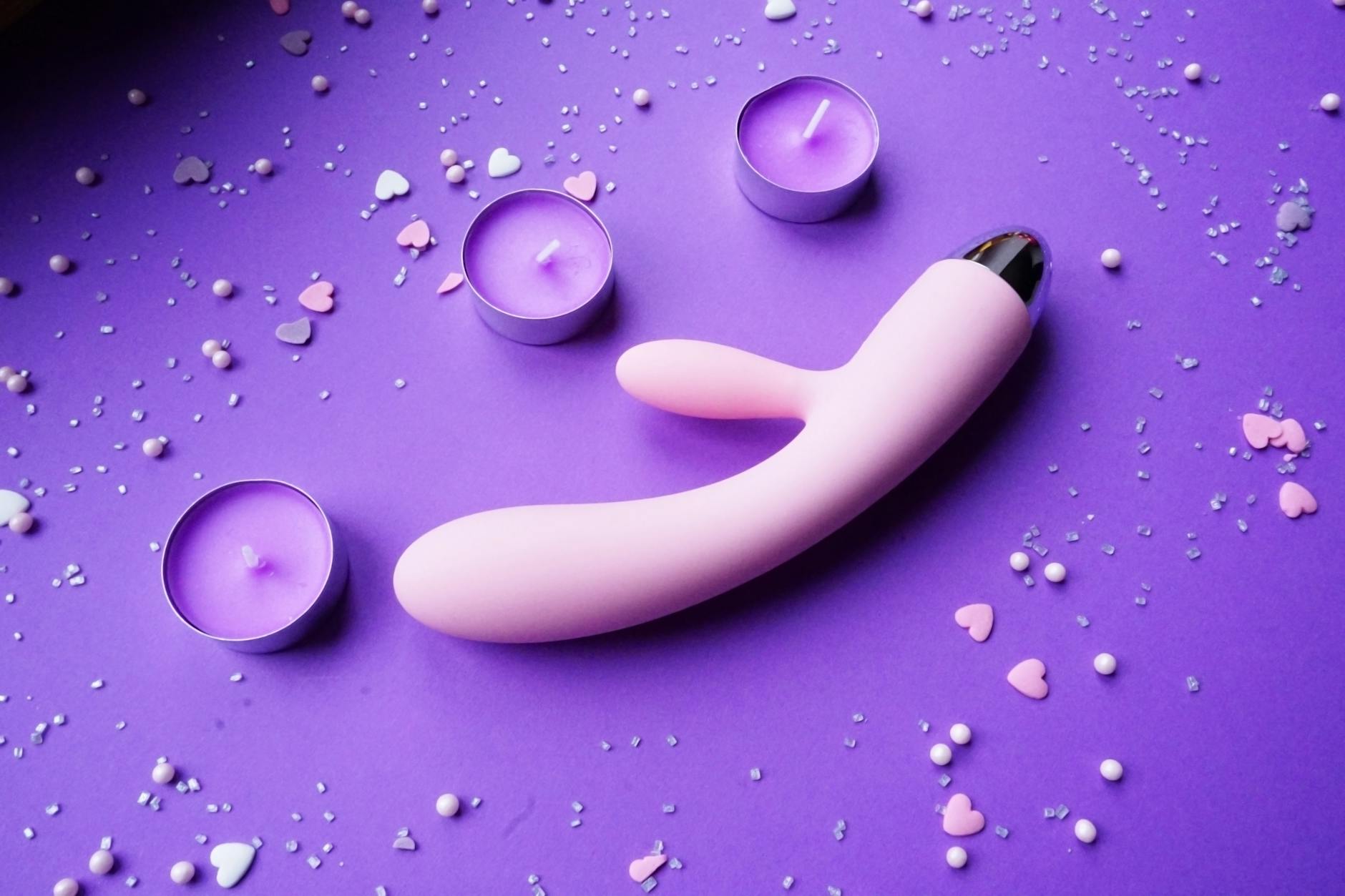
Your body grew a person, pushed them out (or had them surgically removed), and now you're bleeding, healing, and running on three hours of sleep. And somewhere in all that, you might have thought: "Wait, do my vibrators feel weird now?"
Post-pregnancy bodies experience measurable shifts in sensitivity, tissue thickness, pelvic floor function, and hormonal balance. These aren't permanent. They're not a sign you're broken. But they are real, and understanding what's happening makes it infinitely easier to work with your body instead of against it.
Pregnancy floods your system with relaxin, a hormone that loosens ligaments and connective tissue to make room for a growing baby. This softens pelvic floor muscles and stretches vaginal tissue. After birth, your body spends 6-12 weeks (sometimes longer) resorting itself.
Here's the part no one talks about clearly: during that resorting, nerve sensitivity changes. The clitoris itself doesn't shrink or disappear. But the surrounding tissue has been through trauma (yes, vaginal delivery is traumatic to tissue, even when it's healthy), and swelling affects how vibrations transmit through the area.
If you tore during delivery, stitches create scar tissue that can feel tender, numb, or hypersensitive depending on where it healed. If you had a cesarean, abdominal nerves take months to fully wake back up. Some people report feeling less sensation for weeks. Some feel more.
The swelling factor. Post-birth swelling in the vulva takes 2-6 weeks to resolve in most people, longer if you tore. Swollen tissue is more reactive to vibration. What felt pleasurable before might feel raw, sharp, or uncomfortable now. This usually resolves on its own.
Hormone crash. Estrogen and progesterone plummet after birth. Estrogen keeps tissues lubricated and elastic. When it drops, tissues dry out slightly and become more sensitive to direct contact. This is temporary, especially if you're not exclusively breastfeeding, but it's real.
Pelvic floor shutdown. Your pelvic floor muscles are exhausted. They've been stretched, pressurized, and possibly torn. In the early postpartum weeks, they tighten up protectively. A tight pelvic floor changes how vibrations feel because the muscles can't relax into the sensation. Everything feels clenched, intense, or absent.
Most healthcare providers clear you for penetrative sex and masturbation at 6 weeks postpartum (longer if you tore, had a cesarean, or had complications). But "cleared" doesn't mean "comfortable."
I recommend waiting at least 8-10 weeks before using a vibrator, and only if you're feeling good. If you're still bleeding heavily, in pain, or dealing with postpartum anxiety or depression, wait longer. Your nervous system needs time to settle. Pleasure can wait.
When you do start, external clitoral vibrators like the Lem are gentler than penetrative toys because you control pressure and positioning. You're not dealing with internal swelling and healing simultaneously.
Start with the lowest setting. Don't assume you'll pick up where you left off. Your body is different. A pattern 1 or 2 on a Hello Nancy lemon vibrator should feel subtle. If it doesn't, you're not ready yet.
Use lubricant, even if you don't think you need it. Postpartum hormone changes dry tissue slightly. Water-based lube isn't a sign something's wrong. It's a tool that makes sensation clearer and less uncomfortable.
Spend time on warm-up. Your nervous system is in a higher-alert state postpartum, especially if you're waking frequently or stressed. Give yourself 15-20 minutes of non-genital touch first. Hands on your body, gentle touching, whatever helps you feel present and safe.
Notice what feels different without judgment. Maybe pleasure builds more slowly. Maybe orgasms feel flatter. Maybe sensation is stronger in some areas and duller in others. All of this is normal and temporary. The temptation is to panic ("Will this ever come back?"). It almost always does, but patience matters more than urgency.
Your pelvic floor muscles need functional rehabilitation, not just kegels. Yes, kegels help with strength, but they also tighten muscles that are already tight and protective.
You need the opposite too: learning to relax and lengthen the pelvic floor. This is where a pelvic floor physical therapist becomes invaluable. They can assess scar tissue, identify where you're holding tension, and guide you through release work that makes sensation clearer and pleasure more accessible.
If you can't access physical therapy, start with this: practice contracting and fully releasing your pelvic floor during self-touch. Hold a contraction for three seconds, then relax completely for five. Do this 5-10 times when you're using your vibrator. It teaches your body that sensation doesn't require clenching.
Honestly, the biggest shift postpartum isn't always physical. It's identity.
Your body has been a vehicle for someone else's needs for 9 months, then for 24 hours of labor, and now it's a food source and a comfort object. Reclaiming it for your own pleasure is psychologically significant. Some people feel guilty. Some feel disconnected from their body. Some feel touched out and need space before they're ready to be sexual again.
None of this is unusual. And none of it means your pleasure capacity is gone.
If you have a partner, the conversation matters less than the timing. You don't need to jump back into partnered sex the moment your provider clears you. Many couples benefit from several weeks of solo exploration first, so you can understand your own body changes before adding another person's expectations to the equation.
If numbness or pain persists beyond 12 weeks postpartum, see your OB or midwife. You might have adhesions from scar tissue that respond well to physical therapy or other interventions.
If you're experiencing postpartum depression or anxiety, pleasure shifts might not be physical at all. The brain is the most important sex organ. Talk to someone about how you're really feeling.
If you're exclusively breastfeeding and libido vanished completely, that's often the prolactin surge. It's real. It resolves when you wean or your body adapts. You're not broken.
Postpartum is a season, not forever. Your sensitivity will return. Your pleasure capacity will rebound. Your lemon vibrator will feel like home again.
Wait at least 6-8 weeks, and only if you're fully healed and feeling good. If you had complications, a tear, or a cesarean, check with your healthcare provider first. Physical healing is necessary but not sufficient. Your nervous system also needs time to settle. Pain or heavy bleeding are signs to wait longer. There's no prize for starting early.
Swelling, scar tissue, and hormonal changes combine to make tissue more sensitive. External swelling usually resolves within 2-6 weeks. Scar tissue from tearing or cesarean takes longer. Estrogen depletion (especially if breastfeeding) dries tissue. All of this is temporary. If pain persists beyond 12 weeks, ask your OB about it. In the meantime, try lower intensities, more lubricant, and longer warm-up time. Your body will adjust.
Yes, but be aware that breastfeeding suppresses estrogen, which affects lubrication and tissue elasticity. You might find you need more lubricant than before pregnancy. This doesn't mean anything is wrong. It's a temporary hormonal shift. Once breastfeeding ends or stabilizes, sensation usually returns to normal.
Almost always, yes. Most people report full sensation return within 3-6 months postpartum, sometimes longer. The timeline varies wildly depending on how you gave birth, whether you tore, how you're feeding your baby, and your baseline stress level. Patient exploration beats forcing it. Your body will tell you when it's ready.
Completely normal. Your body has been in service mode. Reclaiming it for pleasure alone takes time and intention. Start small. Touch yourself without an agenda for a few weeks before introducing vibration. Notice what feels good without expecting it to feel like it did before. Your body has changed and so have you. Both deserve attention.
If you can access one, yes. They assess healing, identify tension patterns, and guide you through release work that improves sensation and function. Not all postpartum people need physical therapy, but those with tears, pain, or numbness benefit enormously. Even without complications, a therapist can accelerate the return to pleasurable sensation. Think of it as invested time in your long-term wellbeing.
Your postpartum body isn't a broken version of your pre-pregnancy self. It's a different instrument learning a new song. Give it time, patience, and the right tools. Pleasure returns. Always.