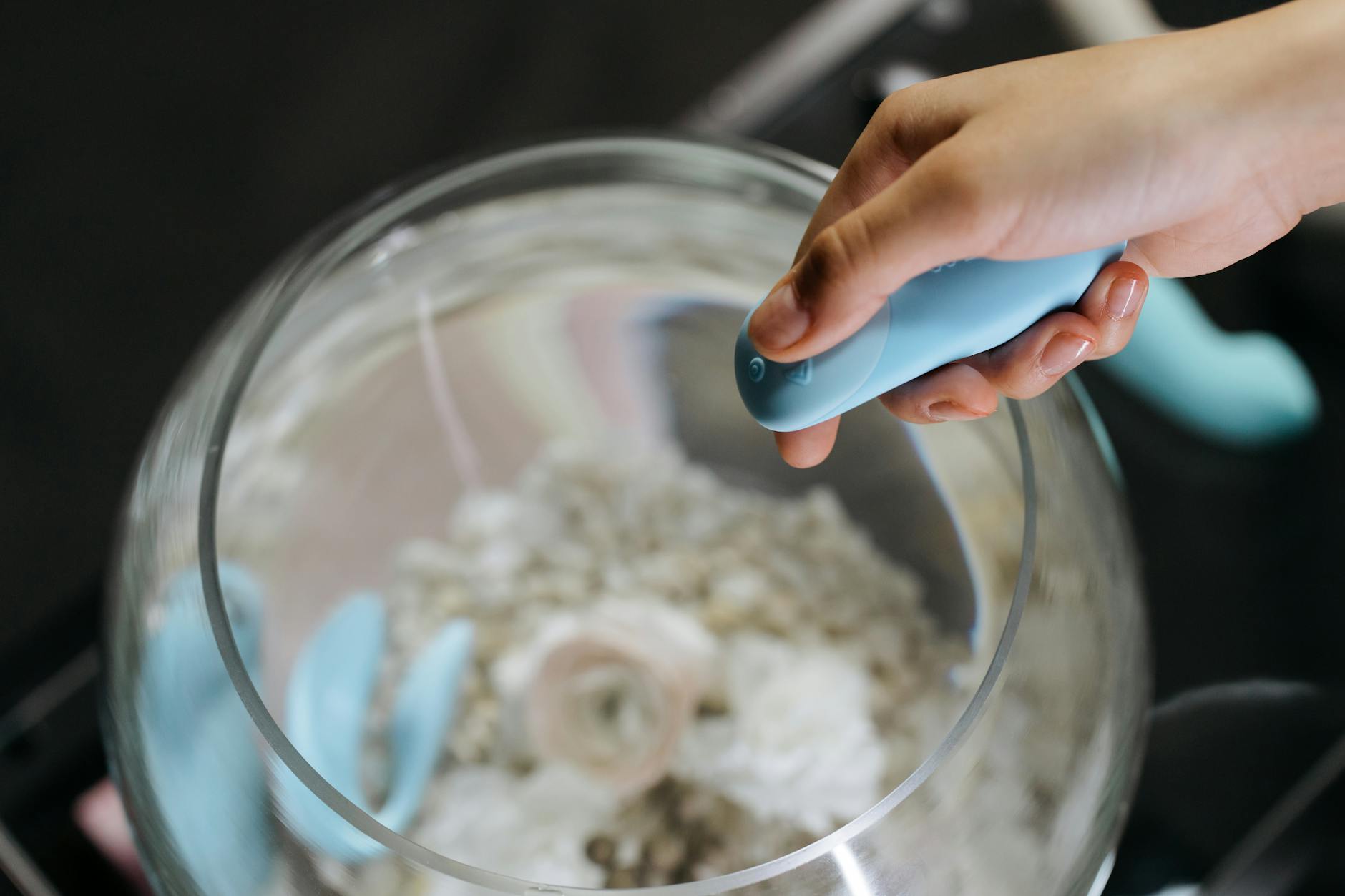
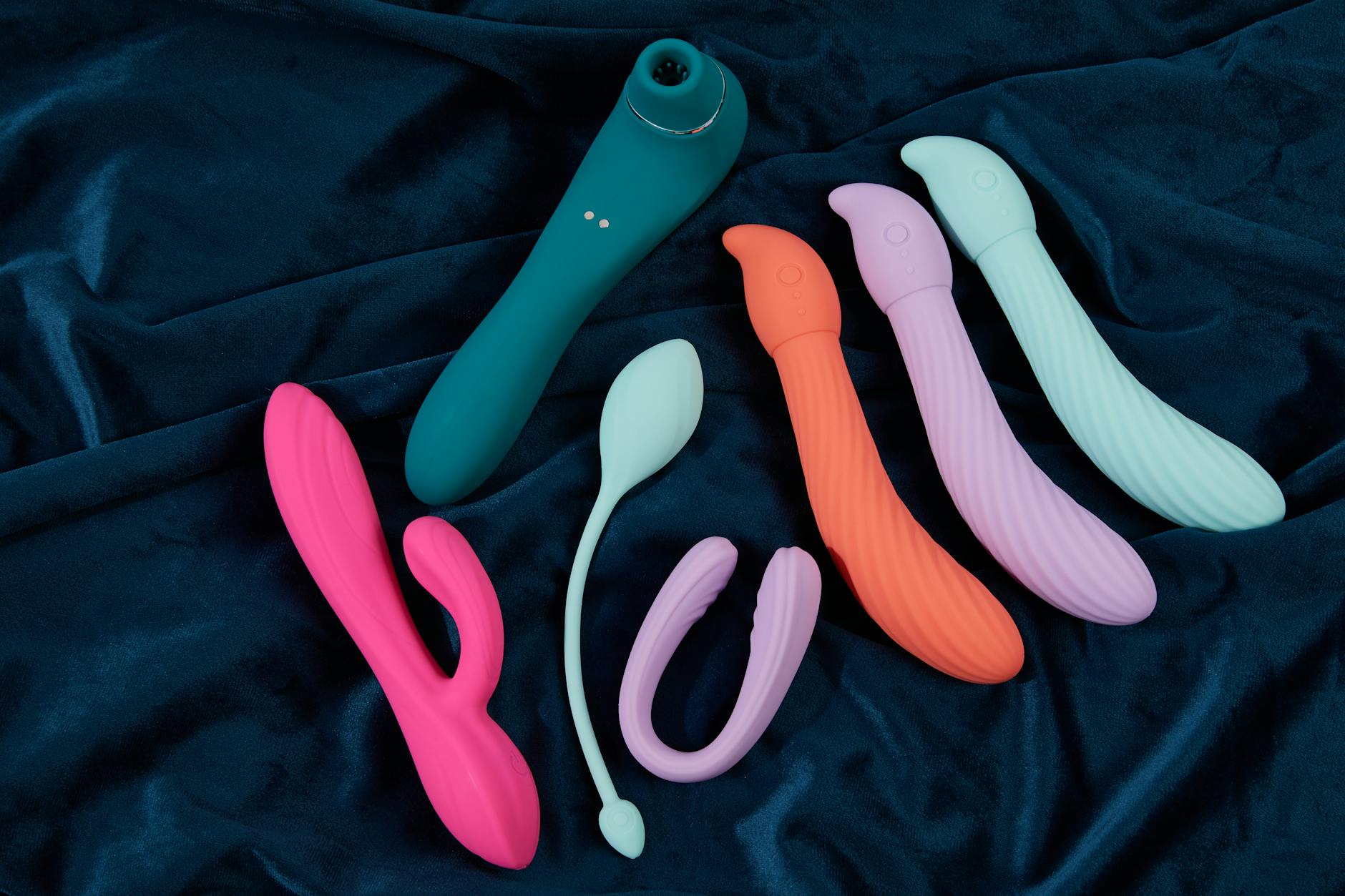
You reach for the Lem at setting 4. Your partner winces. They prefer the Uno on setting 1, maybe 2 if they're feeling adventurous. Suddenly what you thought was a shared activity becomes a negotiation, and neither of you gets what you actually want.
This is wildly common, and it's not a sign you're incompatible. It's just information. Pleasure preferences are shaped by biology, history, attention capacity, and sometimes literally how your nervous system is wired. Your partner isn't wrong for preferring gentler stimulation. You're not wrong for craving more intensity. You're just different, and that difference matters less than how you handle it.
First, individual nerve density and sensitivity vary enormously. Some people's clitoral tissue is naturally more responsive to subtle sensations. Others need stronger stimulation to register pleasure at all. This isn't a preference you chose. It's anatomy.
Second, arousal state matters more than most couples realize. If your partner comes into the moment already stressed or disconnected, they'll need less intensity because they're already at their edge. You might need more intensity because you're just starting to wake up. The same device can feel overwhelming to one of you and underwhelming to the other on the same night, at the same moment.
Third, past experience shapes it. If someone grew up with anxiety around sexuality, or if they've experienced pain during sex, intensity can feel threatening even if the physical sensation is fine. A lemon clitoral vibrator that feels like permission to one person can feel like pressure to another.
Most couples try to meet in the middle. One of you uses setting 2 instead of 4. The other tolerates setting 3 instead of 1. Both of you leave the experience feeling half-satisfied, which is actually worse than just not using a toy at all.
Splitting the difference is a terrible solution because it treats pleasure like a business negotiation. It's not. You're not dividing a pie. You're trying to both feel good.
Here's what actually works instead: stop trying to use the same device in the same way at the same time.
This sounds simple, and it is, but couples almost never do it on purpose. You spend 15 minutes focused entirely on your partner's pleasure at their preferred intensity. They spend 15 minutes focused on you. This isn't selfish alternation. It's permission.
When your partner is in control and you're receiving, you get to ask for exactly what you want. Setting 4? Sure. Setting 5? Go for it. They're not managing your pleasure alongside their own comfort. They're managing one thing: your experience.
Then you switch. You're in control. They ask for what they want. Setting 1, with a pause between pulses, exactly how they like it.
The psychological shift is enormous. Instead of both of you suffering through a compromise, you each get a full experience. And you both get to be the giver and the receiver. That's not sacrifice. That's generosity.
You could also stop treating it like there's one right vibrator for both of you. If your partner loves the gentle suction of a lemon clitoral vibrator at low intensity, and you need something stronger, get two.
Hello Nancy's product line makes this practical. A partner might prefer the Uno for its subtle precision. You might reach for the Lem for its fuller-spectrum stimulation. You're in bed together, both getting exactly what you need, neither negotiating down.
This also removes a weird implicit pressure. Using different toys doesn't mean one of you is broken or too sensitive or not sensitive enough. It just means you're different.
Intensity gets all the attention, but it's not the only thing that changes the experience. Pattern matters. Duration matters. Angle matters. Rhythm matters.
Your partner might not want maximum intensity, but they might love a specific pattern that your toy offers. You might not care about pattern, but you might care desperately about speed. Instead of arguing about power levels, you're collaborating on all the other variables.
Talk about this explicitly. "I love the pulse pattern on this one at setting 2." "I like the steady buzz better than the rhythm." "Can we try slower?" These conversations are unsexy in the moment and unglamorous as hell. They're also the difference between sex that works and sex that exhausts you both.
Before the next time you use lemon vibrators together, sit down and actually talk about this. Not during sex. Not when either of you is already turned on. Just a regular conversation.
Start with yourself. "Here's what I prefer and why." Not as a demand, just as information. Then ask your partner the same question and actually listen.
Then get specific. "I want to try taking turns, 15 minutes each, no negotiating." Or: "I want us to have different toys so we're both getting what we need." Or: "Let's experiment with patterns instead of intensity."
If your partner seems resistant, dig into why. Sometimes it's about feeling like a pleasure preference is a referendum on the relationship. "You need something stronger than what I can give you." It's not. It's you needing what your body needs. That's separate from how much you want them.
If you're having trouble with this conversation, a therapist who specializes in couples sexuality can help. This isn't a sign you're broken. Pleasure mismatches are genuinely common, and they're fixable with information and honesty.
Something interesting happens once you give each other permission to have different preferences. The shame dissolves. Your partner's lower intensity preference stops feeling like rejection. Your higher intensity need stops feeling like you're too much.
You also start paying attention to each other differently. Instead of managing your own comfort while also trying to give your partner pleasure, you get to focus. You notice what makes them gasp. What makes them pull you closer. What rhythm makes their breathing change. That attention is worth more than any compromise.
And honestly, knowing that your partner is fully satisfied, getting exactly what they need, is itself a turn-on for most people. You're not sacrificing your pleasure. You're both winning.
Sometimes intensity preferences shift for a reason worth paying attention to. If your partner suddenly wants much gentler stimulation than before, or if they stop wanting toys altogether, that can signal stress, disconnection, medication changes, or hormonal shifts. Not always. But check in.
Similarly, if you're craving escalating intensity and it's paired with feeling disconnected, that might be worth exploring with a therapist. Sometimes our pleasure preferences are telling us something about what we're needing emotionally.
But most of the time, preference differences are just preference differences. Neutral information. Not a problem to solve. Just a variable to work with.
Your partner's pleasure preference isn't yours to fix. It's yours to respect. And they're supposed to respect yours. Once you both understand that respect doesn't mean sacrifice, and that different can work perfectly well together, everything gets easier. The lemon clitoral vibrators are just tools. The real work is the conversation.
Frame it as information about your body, not criticism of theirs. "I'm finding I need more intensity to really feel it" is different than "This isn't working for me." You're describing your nervous system, not their inadequacy. Most partners actually feel relieved to know what you need instead of guessing.
No. Pretending to want the same thing you don't want damages it. Being honest about what you need actually strengthens trust. You're saying "I trust you enough to tell you exactly what I want." That's intimate.
This is real, and it deserves a real conversation. Usually it means they're interpreting your intensity needs as a sign they're not enough. Separate those two things clearly. "I love being with you. My body also happens to need this kind of stimulation. Those can both be true." If they're still struggling, couples therapy can help them work through what that feeling is actually about.
Both are fine. Solo play actually solves a lot of preference problems because you're not negotiating. You get exactly what you want. Then partnered play can be about connection rather than both of you chasing the same sensation. Some couples find that freeing.
There's no normal. There's just your body and what it responds to. If you're satisfied, there's nothing wrong. If you're regularly frustrated or in pain, that's worth mentioning to a doctor. But preference variation is completely standard.
Then you're actually compatible on intensity and just need to experiment with patterns. That's the easiest kind of preference mismatch to solve. The Lem and other Hello Nancy lemon vibrators offer multiple patterns at each intensity level, so you can find a combination that works for both of you.