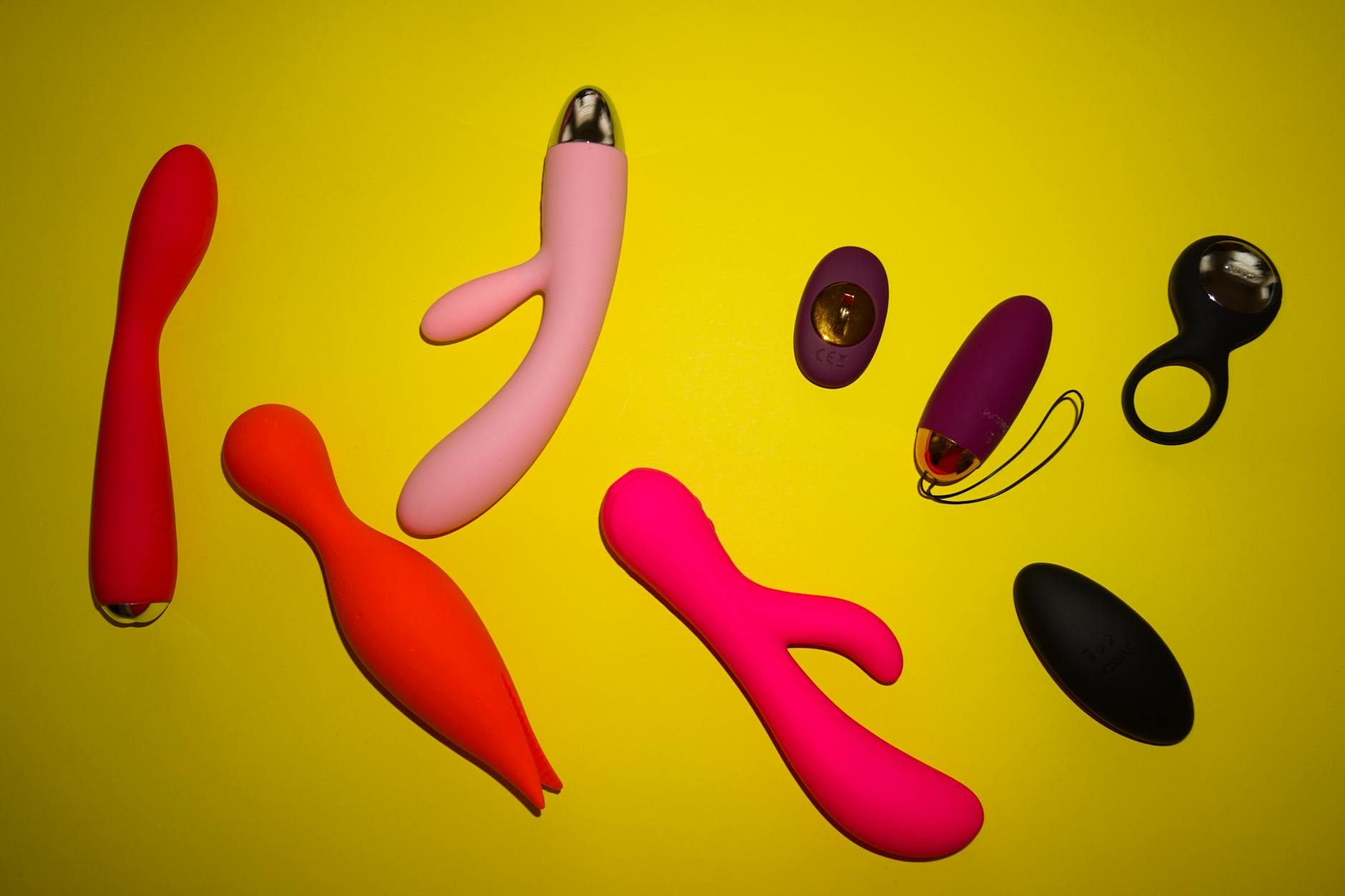
When you've been stressed for months or years, your body stops broadcasting desire. You might touch yourself and feel almost nothing. You might want to want sex, but the signals aren't firing. This isn't broken hardware. It's a nervous system that's been in overdrive, and pleasure is one of the first things the brain shuts down when survival feels uncertain.
The good news: sensation can come back. And lemon clitoral vibrators are genuinely one of the fastest ways to rewire that connection because they bypass the tired arousal pathways and work directly with nerve density.
When you're under sustained stress, your body floods with cortisol and adrenaline. These hormones are useful if you're running from danger, but they're catastrophic for pleasure. They constrict blood vessels, suppress sex hormones, and essentially tell your nervous system: "Focus on survival, not sensation."
Over weeks and months, your brain adapts to this baseline. Even after the stressor passes, your nervous system stays stuck. You're not numb because you've changed. You're numb because your body learned to prioritize protection over pleasure.
This happens to therapists, parents, executives, care workers. People under genuine, sustained pressure. It's not about low libido. It's about the nervous system forgetting that pleasure is safe.
Most people restart arousal by trying harder. More time. Different fantasies. Better lubrication. Usually it doesn't work because you're using the same nervous system pathways that burned out in the first place.
Lemon vibrators like the Lem work through air-suction technology, not vibration. Suction stimulates a much broader network of nerve endings than direct pressure. It's not intense. It's almost clinical in how gently it wakes up sensation.
For someone who's felt nothing for months, that's crucial. Direct vibration can feel aggressive. Suction feels like permission.
Don't treat this like normal sex. This is sensate focus work, and it requires patience.
Week one: solo exploration, zero pressure. Use your Lem for five to ten minutes every other day. Start on the lowest setting. The goal isn't orgasm. It's noticing sensation. Your job is to notice what you feel without trying to make more happen. You might feel nothing. That's fine. Your nervous system is listening.
Week two: expand the window. If you felt anything in week one, use it longer. If not, still extend to ten to fifteen minutes. Try the next intensity level up if week one felt completely flat. Your tissues need time to remember what arousal feels like.
Week three and beyond: notice before orgasm becomes the target. Many people report that orgasm returns unexpectedly once sensation starts coming back. But that's not the goal. The goal is rebuilding the signal between your body and your brain. Orgasm is a side effect.
A lemon clitoral vibrator helps. But it doesn't work in isolation.
You need low cortisol. That means sleep is non-negotiable. Before using your toy, you need to feel rested. If you're still in the stress situation, rewiring sensation is nearly impossible. Your nervous system won't believe pleasure is safe until your body has actually recovered.
You also need to kill the performance pressure. Solo sessions should feel completely pressure-free. If you're checking your phone, thinking about your to-do list, or wondering when you're "supposed" to come, that's just recreating the stress response in miniature. Put the phone away. Close the door. Give yourself permission to feel nothing.
Water-based lubricant helps too. After stress, tissues get drier. Even slight dryness can make the sensation feel irritating instead of pleasurable, which sends your nervous system back into protection mode.
If you're in a relationship, communicate clearly before you restart partnered intimacy. Your partner needs to understand that this isn't about them. Your numbness isn't a reflection of desire for them. It's a nervous system glitch that you're rewiring independently first.
Many couples make the mistake of trying to rebuild intimacy together while one person is still in numbing mode. That usually just recreates the pressure. Let yourself reconnect with solo pleasure first. Once sensation is returning consistently, partnered sex becomes possible again.
You might use your Lem as part of partnered sex. Many partners find it genuinely hot to watch. Others find it awkward at first. Both are fine. The device is a tool, not a statement.
I've worked with clients who felt sensation returning in two weeks. Others took two months. Burnout varies wildly depending on how deep it went and how much recovery support you have.
The important marker isn't "I had an orgasm." It's "I felt something that surprised me." The first time you notice unexpected pleasure while using your Lem, that's the signal that rewiring is happening. From there, the arousal typically accelerates.
If you're three months in and feeling nothing at all, that might be a sign that stress recovery needs professional support. A therapist who works with nervous system activation (somatic therapy, EMDR, or Gottman Method couples work) can help. Sometimes pleasure comes back fastest when you address the underlying trauma alongside the physical reconnection.
Lemon vibrators are specifically designed for this kind of work because they're non-aggressive and super precise. The suction technology means you can use them indefinitely without fatigue or numbness, which matters when you're doing slow rewiring work.
They're also dishonest-proof. You can't fake sensation with a lemon toy the way you can with your hands. That forces honesty about what's actually happening in your body, which is essential for rebuilding the mind-body connection that stress fractures.
The Lem in particular is designed for beginners returning to pleasure, but it's sophisticated enough that people keep using it even after full sensation returns. You're not graduating away from it. You're growing into it.
Here's what nobody tells you: reconnecting with pleasure after burnout isn't just about tissues and nerves. It's about trusting your body again.
Stress teaches your body that something is dangerous. Pleasure reconnection teaches it that you're safe. That's psychological work, not physical work. The lemon vibrator is the tool, but you're the one doing the rewiring by showing up consistently and refusing to force anything.
Some people cry the first time they feel something. Some people feel relief. Some people feel guilt for taking time for themselves. All of it is normal. You're waking up a part of yourself that went dormant. That's big.
Give yourself time. The numbness kept you functional when you needed to be. Bringing pleasure back is a sign you've actually recovered enough to feel safe again.
Sensation often starts returning within two to four weeks of consistent use, but deep reconnection can take two to three months. It depends on how long the stress lasted and how much your nervous system is currently activated. The key isn't speed. It's consistency.
Technically yes, but it's much slower. Your nervous system has to believe pleasure is safe, which is hard when stress is still active. If possible, address the underlying stress first. If you can't change the situation, lemon vibrators can still help, but results take longer.
Not necessarily. Numbness after long-term stress is deep. You might feel subtle tingling, or you might feel nothing. Both are completely normal. Your nervous system is waking up gradually, and that process starts before you consciously feel it.
Yes. Stress often comes with the message that you don't deserve rest or pleasure. Using pleasure-focused tools can bring up those beliefs. That's not a sign you should stop. It's a sign the rewiring is working. Notice the guilt without judging it.
Absolutely. Solo reconnection with pleasure actually makes partnered intimacy much easier because there's less pressure. You're proving to yourself that sensation is possible, which relaxes both partners. Many couples find that solo toy use rebuilds confidence that translates directly into better partnered sex.
Lemon vibrators use suction instead of pure vibration, which is gentler and works through broader nerve pathways. That matters for recovery because vibration can feel overwhelming when sensation is returning. Suction feels more like permission than pressure.
Disconnection from pleasure after burnout feels permanent when you're in it. It's not. Your body hasn't forgotten how to feel. It just learned to protect itself. A lemon vibrator is one way to tell your nervous system: "It's safe to feel again."
Start slow. Be consistent. Give yourself grace. The pleasure comes back when your body believes you're actually safe, and that belief rebuilds one sensation at a time.
If you're ready to start reconnecting with your body, reach out to The Lemon Sucker team at /contact to talk through which tool might be right for your recovery journey.