You stop taking the pill, the patch, or the hormonal IUD, and suddenly your body feels like a stranger. Your skin changes. Your mood swings back in. Your period returns. And your arousal? It's different too. Not better or worse, just different. Sensation heightens, desire rebuilds, and the way your body responds to touch and vibration changes in ways that can feel confusing if you're not expecting it.
Hormonal contraceptives don't just prevent pregnancy. They suppress your natural testosterone production. Testosterone is the hormone that drives desire, genital sensitivity, and the speed at which you become aroused. People with vulvas produce testosterone too. When you're on hormonal birth control, your levels drop significantly.
This means:
You might have needed a stronger vibration setting to feel much of anything. Your arousal might have been slower to build. Orgasms might have felt more muted or required longer stimulation. You might have needed a lot of mental engagement or fantasy to get where you wanted to go.
When you come off hormonal birth control, that testosterone production restarts. Not immediately, but over weeks and months, your body recalibrates. This is the window where everything feels different.
Hormonal birth control doesn't leave your system instantly. Most synthetic hormones clear your bloodstream within days, but your body's own hormone production takes longer to wake back up.
Weeks 1-2: You might feel almost nothing different. Synthetic hormones are still floating around.
Weeks 2-6: This is when people usually report a shift. Sensitivity increases. You might notice your vulva feels more engorged more quickly. Arousal builds faster. Some people find they're suddenly sensitive to things that didn't register before.
Months 2-6: Your cycle returns (if you were on a hormonal method that suppressed it). Sensation may fluctuate across your cycle. You might find different sensations appealing at different points in your month.
Month 3+: Your baseline stabilizes. Testosterone levels normalize. You're working with your actual body, not a hormonally altered version.
This is also when many people notice their libido genuinely shifts. Some people report sex drive they haven't felt in years. Others notice they were using birth control as an excuse to not examine what was actually happening in their relationship or with their own desire.
If you were using any clitoral vibrator while on birth control, you likely had a pattern. Maybe you needed setting 4 or 5 on a lemon vibrator to feel anything. Maybe you needed 15 minutes of stimulation to orgasm. Maybe direct contact felt numb and you needed sustained pressure.
After you stop, those numbers change.
You might need less intensity. Start at setting 1 or 2 instead of jumping to your old setting. What felt like nothing three months ago might feel powerful now.
You might need less time to arousal. If it used to take 20 minutes of warm-up, you might find yourself ready in 10. This is especially true if you're cycling and you start mid-cycle, when testosterone is naturally higher.
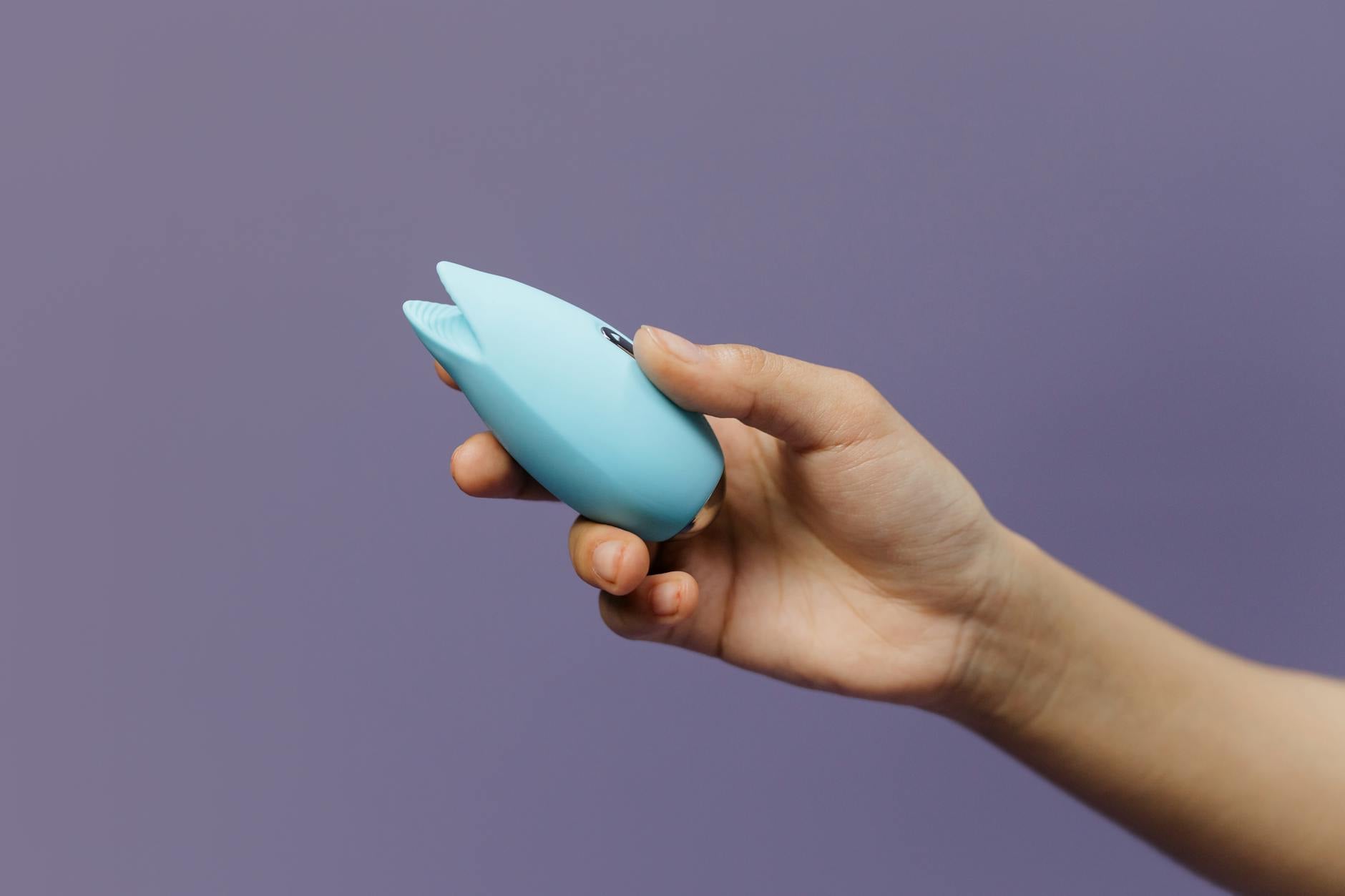
You might notice texture matters more. The design of a lemon vibrator, which uses pulsing suction rather than straight vibration, often feels more pleasurable post-birth control. The gentler, more targeted stimulation suits newly heightened sensitivity better than a traditional vibrator that relies on raw vibration strength.
You might want variety. Many people find that sensation preference shifts across the month as hormones cycle. One week you want steady suction. Another week you want patterns. Listen to what your body is asking for instead of sticking to one setting.
Here's what I see clinically that people don't talk about: stopping birth control often coincides with other emotional shifts. Sometimes relief. Sometimes grief. Sometimes a reckoning with why you were on it in the first place.
If you were on birth control to manage painful periods, you might feel tender emotions as pain returns. If you were on it because your partner wanted you to be, you might feel resentment. If you were on it to suppress desire because of shame or a relationship that didn't feel safe, you might feel scared when that desire comes back.
None of this is about the vibrator. But all of it affects how sensation reads in your body. Numbness can be hormonal, sure. But it can also be psychological. When you come off birth control and your body wakes up, sometimes you're processing more than just hormones.
If you notice that sensation returns but pleasure doesn't, or if arousal builds but you feel disconnected from it, talking to a therapist can help untangle what's happening. Rebuilding intimacy after a period of disconnection isn't just about the right toy. It's about understanding what your body and mind need.
Start lower than you think you need. If you used setting 3 or 4 before, begin at setting 1. You can always increase. You can't unsensitize your body if you've shocked it.
Extend your warm-up anyway. Even though arousal might build faster, give yourself 10-15 minutes of foreplay, fantasy, or just sensation-exploration before introducing the lemon vibrator. Your nervous system is recalibrating. Rushing it can make the whole thing feel weird.
Track what's different. Not in a clinical way. Just notice. Does one week of your cycle feel wildly different? Do certain patterns feel better than others? Does direct clitoral contact feel intense in a new way? This information helps you fine-tune what actually feels good, separate from what you're supposed to like.
Give it time. You didn't become numb overnight. You won't become fully resensitized overnight either. Some people find the biggest shifts happen around month four or five, after a few full cycles.
If something hurts, pause. Increased sensation is not the same as pain. If direct pressure or vibration suddenly feels sharp or raw, you might need more lubrication, longer warm-up time, or a break. This is your body's way of saying something needs adjustment.
Sometimes people stop birth control and don't notice huge changes. Your baseline might not have been that suppressed. Or you might be noticing smaller shifts that feel meaningful but not dramatic. That's completely normal.
Other times, low sensation persists because something else is going on. Stress, relationship friction, unresolved trauma, other medications. Birth control doesn't cause all numbness. It just sometimes masks what's underneath.
If three months post-stopping, sensation feels pretty flat and you're frustrated, it's worth checking in with a doctor. Low libido and reduced sensation can signal thyroid issues, depression, or other health factors that have nothing to do with birth control and everything to do with your overall wellness.
Stopping hormonal birth control is not just a physical transition. Your sexuality, your body's baseline arousal, your cycle, your mood, your relationship to your own desire—all of it shifts. Using a lemon clitoral vibrator in this season means paying attention, being patient, and being willing to adjust what worked before because what works now might be different.
Your body isn't broken. It's waking up. And that's worth exploring with curiosity instead of frustration.
Most people notice the first shift between weeks two and six, but the biggest changes often happen between month two and month four. Your body needs time to restart hormone production, and that's not instant. If you notice nothing by week two, don't assume nothing's happening. Some people just process hormonal shifts more quietly than others.
Absolutely. The suction-based design of a lemon clitoral vibrator can feel surprisingly strong if you've been numb for years. Start at the lowest setting and work up slowly. Too much too fast can make you feel raw or overstimulated. Your sensitivity needs time to recalibrate, and pushing too hard too fast can actually set back your reconnection with pleasure.
Many people report that orgasms feel different, more intense, or easier to reach after hormones stabilize. Some people experience multiples they couldn't achieve on hormonal birth control. Others find orgasms take longer but feel deeper. The common thread: most people find their actual sexual response is more nuanced than what birth control allowed them to feel. Give yourself a few months to see what your true baseline is.
Yes. Sometimes increased sensation pairs with increased emotional vulnerability. You might feel more connected to your body but also more aware of old trauma or relationship issues you were able to numb. This doesn't mean something's wrong. It means your body is processing. Consider talking to a therapist if the emotional shifts feel big.
Not necessarily. A lemon vibrator can work beautifully throughout this transition because the suction-based pattern offers more control and gentleness than traditional vibration. But your settings, patterns, and timing might change. Stick with what you have and adjust how you use it rather than assuming you need something new.
That's a relationship conversation, not a vibrator question. But it matters for your pleasure because resentment kills desire just as much as hormones do. If stopping birth control feels unsafe or unwelcome in your relationship, that friction will show up in your body before it shows up in conversation. Trust that signal.
If you want to dive deeper into how birth control affects sexuality, the book "Come As You Are" by Emily Nagoski is excellent on hormonal basics and desire. For relationship-specific questions about navigating transitions like this with a partner, exploring intimacy after a period of disconnection is a conversation worth having together.
Your body knows what it needs. The lemon vibrator is just the tool. You're the expert on what feels right.