How Lemon Vibrators Help When You're Returning to Solo Play After a Breakup
Reconnecting with your own pleasure after a relationship ends is different than before. Here's what changes, why it matters, and how the right clitoral vibrator makes it easier.
Honestly, the hardest part of reconnecting with solo play after a breakup isn't physical. Your body works exactly the same as it did before. What's different is your mind, and that matters more than anything else.
When you've been intimate with a partner, your pleasure pathways become tangled with that relationship. You've learned what works in the context of them. Your breath, your rhythm, your thoughts during arousal, all of it gets wired to that specific person. After they're gone, even your body feels like it's looking for someone who isn't there.
A lot of people tell me that touching themselves after a breakup feels like cheating, or like they're replacing the person who just left, or that they're moving on too fast. None of that is real, but all of it feels real in the moment.
Here's what's actually happening. Your nervous system is in transition. Your brain is used to receiving intimacy as a shared experience. Solo play feels like talking to yourself in a room where someone else's voice still echoes. The discomfort you feel isn't shame. It's just unfamiliar territory.
The good news: your body remembers pleasure faster than your brain remembers the breakup. We just need to give it permission and the right setup to rebuild the connection.
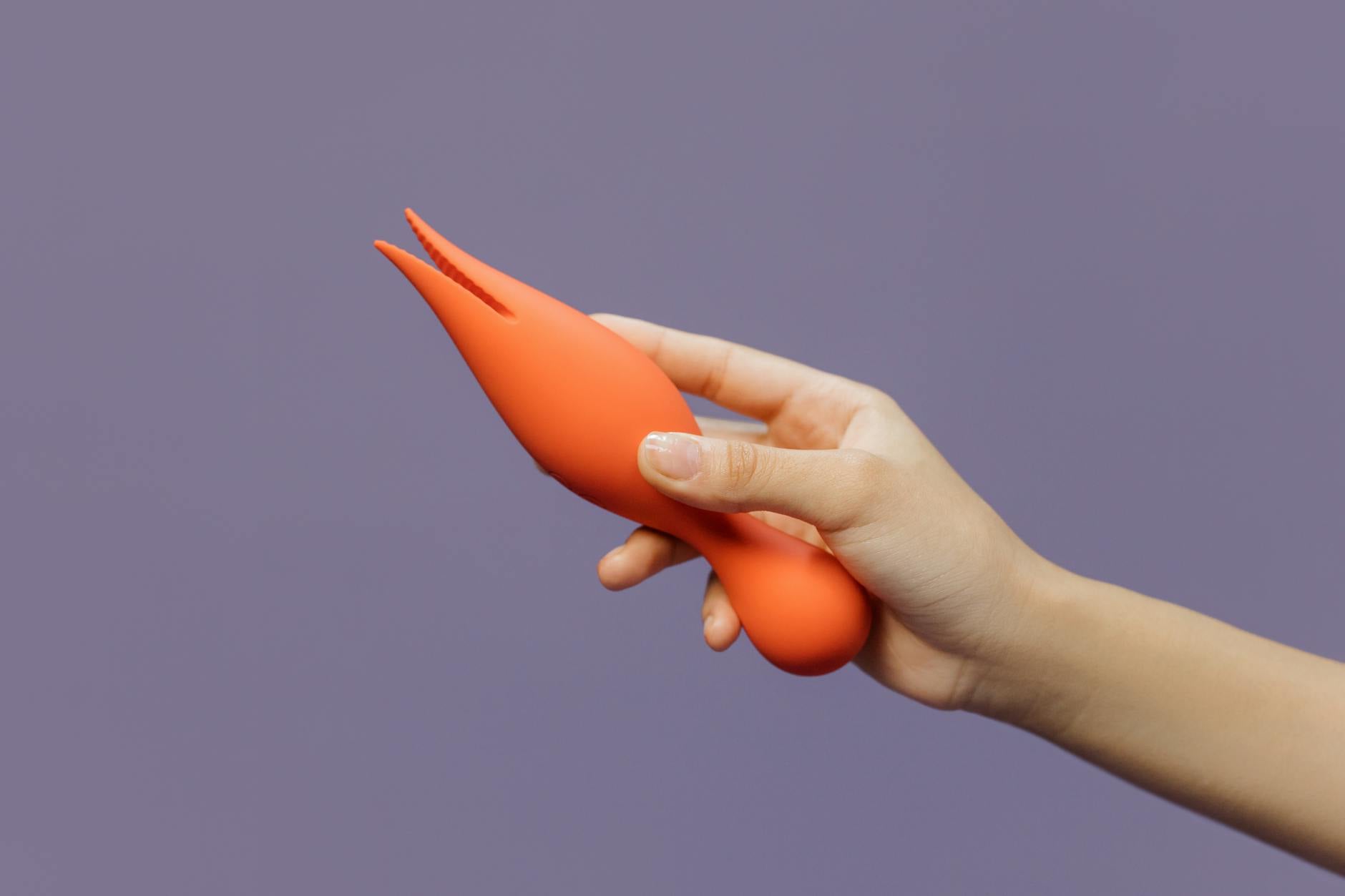
I mention lemon vibrators and clitoral vibrators like the Lem not because they're magic, but because they solve a real problem when you're starting over. Solo pleasure after a breakup requires a few things: speed, reliability, and the ability to quiet your brain. A manual approach takes too long and gives your thoughts too much space to wander back to what you've lost.
Clitoral vibrators like the Lem work through suction and pulse, which creates a rhythm your brain doesn't have to think about. You're not doing the work. The tool is. This matters because when you're grieving or emotionally tangled, the last thing you need is something that demands your active participation or presence of mind.
Lemon vibrators also create a completely different sensation than a partner's hands or body. This is actually useful. You're not triggering the same neural pathways you built during the relationship. You're creating new ones. New pleasure associations. The suction sensation is novel enough that it doesn't feel like you're replacing what you lost. It feels like you're building something separate, which is exactly what your nervous system needs.
Honestly, the first few weeks after a breakup are going to feel weird no matter what tool you use. Your body might not even want pleasure. That's normal. Grief and arousal live in different parts of your nervous system, and they don't always want to coexist.
Give yourself at least two to three weeks before expecting pleasure to feel good. Use this time to rebuild the practical stuff: routine, sleep, time with friends. Let your nervous system settle a little.
Then, when you do come back to solo play, start gentle. This is not the time to find your hardest intensity setting. With a lemon clitoral vibrator, I'd suggest starting at level two or three and staying there for your first few sessions. Your body might feel more sensitive than usual, or alternatively, more numb. Both are grief responses.
If numbness is what you're experiencing, that's not a sign to give up. It's a sign your nervous system is protecting itself. Lower intensity and longer warm-up time actually helps more than pushing harder.
One thing that happens a lot: people touch themselves after a breakup and their brain involuntarily goes back to the person they just lost. You might find yourself thinking about them, imagining they're there, or getting hit with a wave of sadness mid-session. This doesn't mean you should stop. It means your nervous system is processing.
Here's a small shift that helps. Before you use a lemon vibrator, spend two minutes naming something else you're thinking about or feeling. "I'm about to do this for me, and right now I'm feeling sad about the end of things, and that's okay." Then move forward.
The vibration itself actually interrupts rumination. Once you start, your brain usually settles into the sensation pretty quickly. But you have to cross that threshold first.
This is where being a relationship coach comes in handy. Rebuilding pleasure after a breakup is an act of self-intimacy. You're having a conversation with your own body that goes something like this:
"I'm here. You're safe. We're going to figure out what feels good to us now, not what felt good before."
That sounds corny, but your nervous system responds to it. If you're using lemon vibrators or any clitoral vibrator, you're sending a message to yourself that your pleasure matters independent of another person. That's the whole point.
Lowkey, this is one of the most valuable things you can do after a breakup. Not because you're moving on (you can do that without self-pleasure), but because you're actively affirming that your body and your desires belong to you. That's powerful.
There's normal numbness (your nervous system protecting itself) and there's anhedonia (a symptom of depression where pleasure doesn't work at all). If you're three weeks past the breakup and feeling completely flat across everything, not just sex, that's worth talking to someone about.
But if your body specifically feels numb to stimulation and everywhere else feels normal, that's grief, and a lemon vibrator actually helps. The sensation can break through that numbness in a way that's gentler than forcing yourself into traditional arousal.
Don't try to use solo play to prove you're over it. Don't push yourself to orgasm if it doesn't happen. Don't compare what you're feeling now to what you felt with your partner. Don't try to use it as a distraction from the emotional work.
Do come back to it when your body actually wants it. Do start slow. Do let it feel different. Do remember that reconnecting with pleasure after a breakup is rebuilding a relationship with yourself, and relationships need time.
There's no magic timeline, but I usually suggest waiting until the initial shock has worn off, which is roughly two to three weeks for most people. You'll know you're ready when the idea of touching yourself feels like curiosity instead of obligation or avoidance. If you're using solo play to avoid feeling the breakup, that's not the right timing. If you're coming back to it because your body wants connection with itself, you're there.
Solo play can help you feel less disconnected from your body, which is different than less lonely. Loneliness is an emotional state that usually needs other people, conversation, and time. What a lemon vibrator does is remind you that pleasure and connection don't have to mean partner sex. It's self-connection, which is valuable but doesn't replace friendships or human touch. Use it for what it is, not as a substitute for community.
Guilt usually shows up for two reasons: you believe pleasure is only valid with a partner, or you feel like you're betraying your ex by moving on. The first one isn't true. The second one is your nervous system's grief response, not a moral fact. You're allowed to take care of your own body. If the guilt stays persistent, that's worth exploring with a therapist, but temporary guilt while grieving is normal.
Yes, but not immediately. What they do is create a low-pressure way to reconnect with physical sensation. When you're rebuilding confidence after a breakup, that reconnection is the foundation. Over weeks and months of regular solo play, you start to remember that your body works, that it can feel good, that you don't need external validation for that to be true. That's where confidence rebuilds.
If you have a therapist, that's a safe conversation. They've heard it before, and it helps them understand how you're moving through grief and self-care. With friends, that depends on your usual conversation style. You don't owe anyone details about your solo play. But if your friend group is open about sex and pleasure, normalizing the conversation can actually help you feel less shame about taking care of yourself.
Completely normal. Your body might be numb to sensation because your nervous system is protecting itself. It might take a few sessions before pleasure actually registers. Stay patient. The sensation itself helps break through that numbness even if you don't feel pleasure yet. Numbness usually shifts within a week or two of regular use. If it doesn't, check in with how you're doing emotionally overall.
Coming back to solo play after a breakup is one of the quietest acts of self-respect. You're not doing it for anyone else. You're not performing. You're just learning to touch yourself in a world where your partner's hands aren't there anymore. That matters.
The right tools help. A lemon clitoral vibrator makes it easier. But the real work is just showing up for yourself, over and over, without expecting it to feel magical. Give it time. Your pleasure will come back. It always does.
If you're struggling with the emotional side of reconnecting with yourself after a breakup, that conversation is bigger than solo play. Consider reaching out to a therapist or a coach who specializes in relationship transitions. Your nervous system will thank you.
Need support navigating intimacy and relationships after major life changes? Let's talk.