How Lemon Vibrators Help When Libido Returns After Depression
Your antidepressants are working. Your mood is stable. But now desire is knocking again, and your body feels like a stranger's. Here's what's actually happening, and how to reconnect.
Here's what nobody tells you about antidepressants and desire. For months, maybe years, your libido was just gone. Not suppressed. Gone. You didn't think about sex. You didn't miss it. Your body was flat, quiet, functional. And that flatness was actually a relief because at least it meant no pressure, no shame about not wanting.
Then one day something shifts. A thought. A touch. A moment alone that makes your pulse quicken. And suddenly you realize your desire is coming back. Which sounds like good news. And it is. But it also means your body has some catching up to do.
When depression lifts and libido returns, three things are happening at once. First, your nervous system is waking up. Depression, especially long-term depression, keeps you in a protective state where arousal doesn't register. As your mood stabilizes on medication, your parasympathetic nervous system starts engaging again. You can feel things more vividly. That's why orgasms sometimes feel stronger after recovery. Your brain is no longer dampening sensation.
Second, your brain chemistry is rebalancing. Even though your antidepressant is still working, the neurochemical environment that suppressed desire is loosening. Serotonin is still doing its job (keeping your mood stable), but dopamine and norepinephrine are starting to fire more freely. These are the chemicals that drive arousal and motivation. The return of desire often means these systems are healing.
Third, and this is important, your body may need time to remember how to respond. If you haven't been aroused in months or years, your pelvic tissues, your breath, your ability to focus on sensation have all been dormant. Think of it like physical therapy. The machinery works. It just needs a warm-up.
One of the strangest parts of this transition is that you might suddenly want to have sex, but sensation might feel muted or delayed. You think about sex. Your partner touches you. But your body takes longer to catch up than it did before depression. This is completely normal and temporary.
I see this in my practice constantly. A client says, "I finally want my partner again, but nothing's happening down there." They panic. They assume something is broken. In almost every case, it's just that their body needs permission to wake up slowly. If you've spent a year or more in a state of emotional numbing, your nervous system doesn't switch back on like a light. It's more like a dimmer gradually turning up.
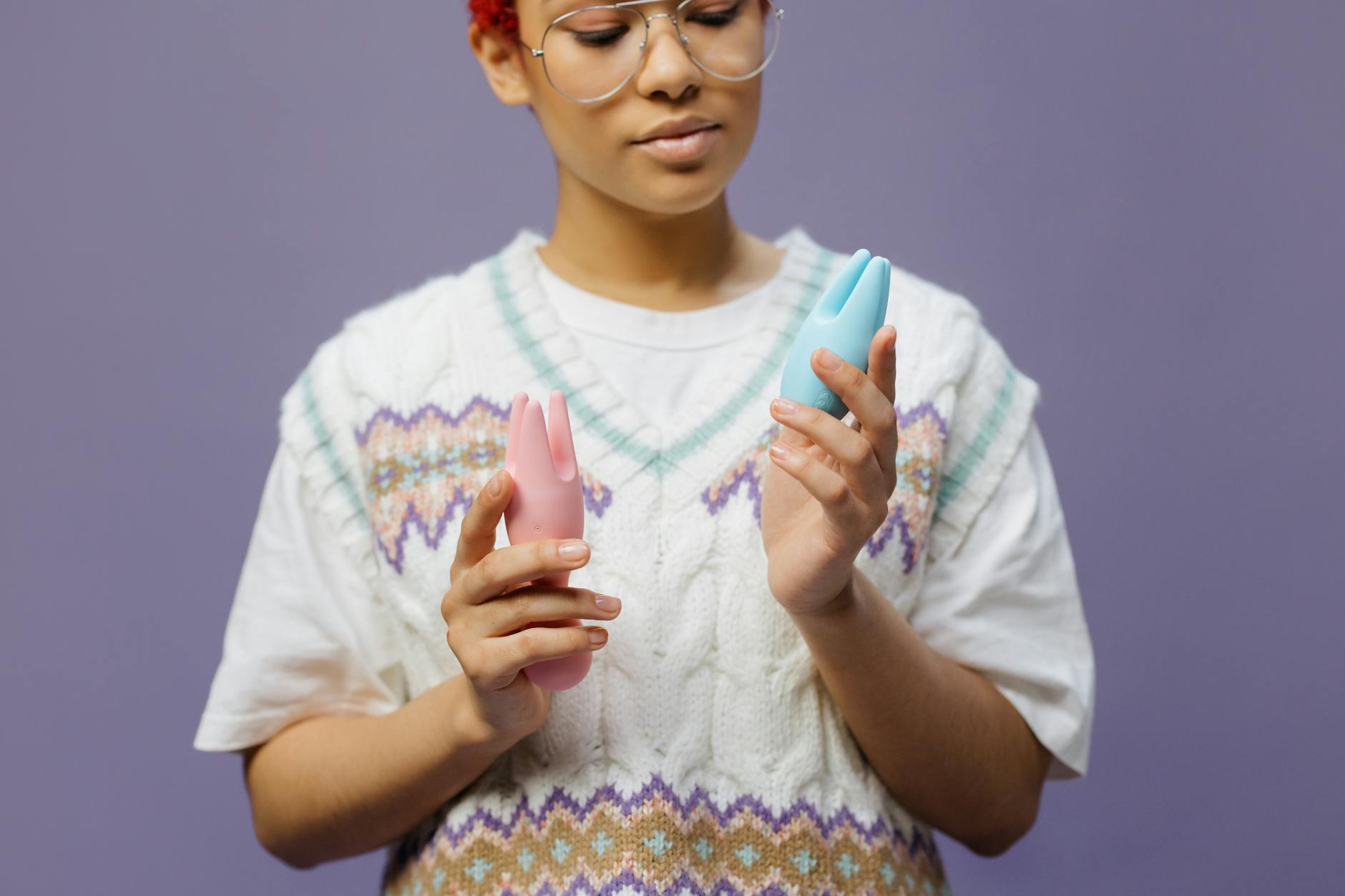
This is exactly where lemon clitoral vibrators become useful. They're not a workaround. They're a bridge. They help your body remember sensation while your mind is already engaged and wanting. The gentle suction stimulation of lemon vibrators works with your returning sensitivity, not against it.
Another thing that surprises people: arousal might feel different in texture than it did before. If you were depressed for a long time, you might have forgotten what your personal arousal pattern feels like. You might expect a slow, warm build. Instead, you might get sudden sparks. Or you might expect intensity and get something softer and more subtle. Neither is wrong. Your nervous system is just recalibrating.
Some clients report that after depression, sensation feels more localized than whole-body. Others say it feels electric and sudden instead of gradual. A few say they experience longer refractory periods between orgasms (which is actually common when you haven't been orgasming regularly). These shifts are your nervous system learning its new baseline, not evidence that something is broken.
With lemon clitoral vibrators, you have control over intensity and timing in a way that helps you learn your new arousal pattern. You can start slow, pause, restart. You can use the different patterns to see what registers most vividly right now, in this phase of recovery.
If you're partnered, this transition gets more complicated because now there are two people's nervous systems in the room. Your partner might be excited that your desire is back. They might also be anxious that you'll pull away again. They might push too hard or hold back too much. None of this is malice. It's just two people trying to navigate unfamiliar terrain.
The most useful conversation I recommend having with a partner is completely separate from sex itself. Talk about what's happening in your body. Tell them: "My brain wants to reconnect with you, but my body needs some time to remember how to respond. This isn't about you. It's my nervous system waking up." Then have a different conversation about what you both need from this transition.
Using lemon vibrators solo first is actually a good move. It lets you reconnect with your own arousal without performance pressure. When you do come back to partnered sex, you're not starting from zero. You're starting from a place where you already know what currently turns you on. That's information your partner needs, and information you need too.
One thing I wish I could tell people more clearly: there's no normal timeline for this. Some people have their desire return and within weeks, everything feels familiar again. Others take months for sensation to fully normalize. Some people's arousal pattern changes permanently in ways that have nothing to do with depression. Some people find their strongest orgasms happen after recovery.
The worst trap is comparing your timeline to someone else's or to your pre-depression self. Your body might be telling you something useful right now. Maybe before depression, you preferred quick arousal and intense stimulation. Maybe now you're discovering you prefer longer builds and subtler sensation. Maybe that's not your depression talking. Maybe that's your actual preference, finally allowed to surface.
Lemon clitoral vibrators work well in this discovery phase because they let you experiment safely. Different patterns. Different durations. Different moments of the day. You're gathering data about what your body currently enjoys, not trying to force it back into an old template.
First, build in more warm-up time than you think you need. If you used to need ten minutes before depression, budget twenty now. Your nervous system needs the extra runway. Don't interpret slowness as disinterest. It's just recalibration.
Second, use a lemon vibrator to explore solo first. Ten to fifteen minutes alone, with the Lem on low or medium patterns, helps your brain and body sync up again. You're not aiming for orgasm. You're aiming for sensation and reconnection. Often, orgasm follows naturally once your arousal system realizes it's safe to engage.
Third, bring lubrication into everything. After months of no arousal, tissue sensitivity can be heightened. Water-based lube reduces friction and makes sensation feel less sharp and more pleasurable. It's a small addition that makes a huge difference in how your body receives touch.
If months have passed and sensation still feels completely flat, or if you're experiencing pain where there was none before, that's worth mentioning to your prescriber. Sometimes antidepressants need dosage adjustments as your body adjusts. Sometimes switching to a different medication helps. Sometimes the issue is purely physical (pelvic floor tension, tissue changes) and a gynecologist can help.
The goal isn't to get back to exactly how you were before depression. The goal is to feel genuinely aroused and present in your body right now. That might look different. But different doesn't mean worse. It often means richer.
Your antidepressants didn't take away your capacity for pleasure. They temporarily protected you from the weight of depression by reducing sensation across the board. Now that you're healing, sensation is coming back. Your body is remembering that it can feel.
Lemon vibrators help during this transition because they're gentle, user-controlled, and genuinely pleasurable. You're not forcing anything. You're just giving your body the feedback it needs to wake up fully.
The hardest part is patience with yourself. Healing isn't linear. Desire returning isn't the same as feeling completely like yourself again. But it's the beginning of something important. Your nervous system trusting that it's safe to feel again.
It varies widely. Some people notice desire returning within weeks of starting to feel better mentally. Others take three to six months. A few take longer. The timeline depends on how long you were depressed, how sensitive you are to medication changes, and what else is happening in your life. Returning desire is a sign your nervous system is healing, but it doesn't follow a schedule. Check in with yourself every few weeks about what you're noticing. Patience matters more than speed.
Absolutely. Most antidepressants don't prevent you from using vibrators or having orgasms long-term. They suppress arousal temporarily while your brain chemistry is adjusting. As your mood stabilizes, desire and sensation typically return. Lemon clitoral vibrators can actually help during this transition by giving your arousal system gentle, consistent stimulation while your sensitivity is rebuilding. There's no conflict.
Yes, but frame it carefully. You're not announcing that you suddenly want to have more sex (maybe you don't yet). You're telling them that your nervous system is healing and you're starting to notice arousal again. This is information they need so they don't misinterpret your body's signals. It also prevents them from making assumptions about what you want or pushing you before you're ready. A simple conversation: "I'm noticing my desire coming back. My body might take a while to fully remember how to respond, so let's be patient together."
When depression was at its worst, your nervous system was in a protective, dampened state. Everything felt muted. As that protective state lifts, sensation registers more vividly. It's not that your body changed. It's that your nervous system is finally sending full signals again. This can feel uncomfortable at first (intensity without warning), but it usually normalizes within weeks. Using a lemon vibrator on lower patterns helps your nervous system adjust gradually to feeling more.
Sometimes, yes. For some people, the medication adjusts something in their baseline sensitivity that doesn't fully revert. But more often, what changes is your awareness of what you actually enjoy, now that you're not depressed. Before depression, you might have been pushing yourself to want things you didn't actually want. Now that you're clearer mentally, you might discover your genuine preferences are different. That's not the medication. That's you, finally knowing yourself.
This can happen. Your sexual response system and your mood regulation system are related but separate. Sometimes one shifts before the other. If your desire is returning but you still feel depressed or numb in other ways, talk to your prescriber. It might mean your medication needs adjustment, or it might just mean your nervous system is healing patchily. There's no single right order for these things to happen. Trust what your body is telling you, and let your doctor know what's shifting.
Your body is waking up. That takes time. Be gentle with yourself. Lemon vibrators, patience, and honest conversations with your partner are the tools. You're not trying to get back to who you were before depression. You're building who you are now, with clearer mental health and a nervous system that's learning how to feel again.
If you want to talk through what reconnecting looks like for you, we're here. Hit us up at The Lemon Sucker contact page.