Science
How Lemon Vibrators Can Improve Sensitivity After Numbing Medications
Desensitizing creams work by intention. But once you're ready to feel again, clitoral vibrators help rewire sensation and rebuild pleasure faster than waiting alone.
Science
Desensitizing creams work by intention. But once you're ready to feel again, clitoral vibrators help rewire sensation and rebuild pleasure faster than waiting alone.
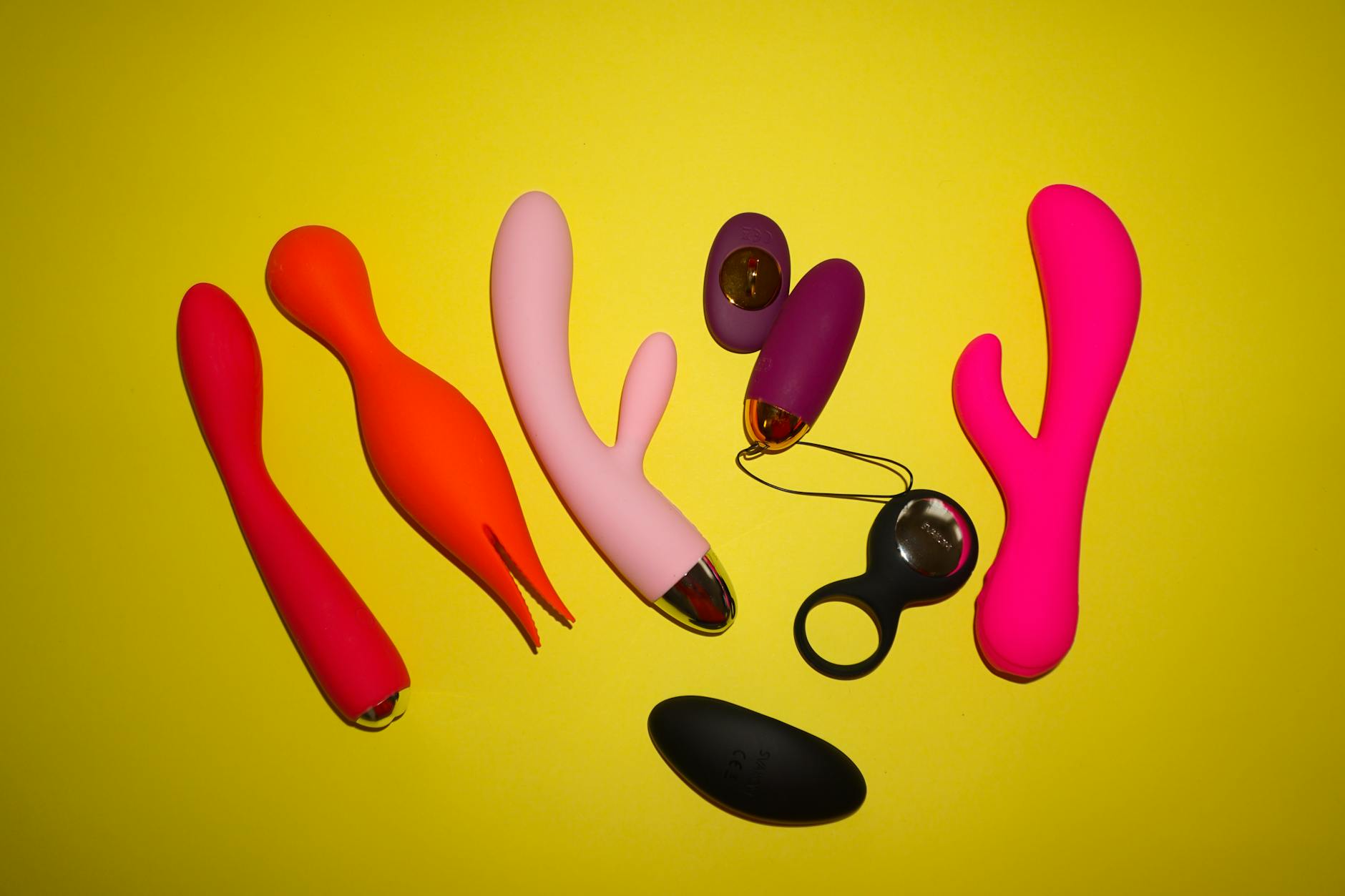
Let's be real. Topical numbing creams do exactly what they're supposed to do. They make sensation duller. That's the entire point. They're designed for people who experience pain during sex or those learning to relax during penetration. The problem arrives quietly, weeks or months later, when you want to feel normal again and your body is still muted.
The numbness lingers. Even after you stop using the cream, tissues that have been desensitized take time to wake back up. And if you've been using numbing products for months, your nervous system has basically learned to expect reduced input. Your brain has adapted to lower sensation as baseline.
This is where most people get stuck. They stop the cream, expect instant sensitivity, and when it doesn't snap back immediately, they assume something is permanently broken.
It isn't. But you do need to actively rebuild sensation. And that's where tools like the Lem come in.
Desensitizing creams work by numbing nerve endings locally. Benzocaine, lidocaine, and similar ingredients block pain signals temporarily. They're useful. But here's what happens over time: the nerves in the clitoris and surrounding tissue get trained to expect less stimulation.
Your nervous system is plastic, which means it adapts. When you consistently receive muted input, your brain recalibrates what "normal" sensation feels like. Rebuilding that sensitivity isn't about the cream wearing off. It's about retraining your nervous system to recognize and respond to stimulation again.
Three factors slow the return to baseline sensation:
1. Nerve adaptation. Nerve endings in numbed areas become less responsive over time, even after the numbing agent wears off.
2. Reduced blood flow. Numbing creams can slightly reduce circulation to the area, which means fewer nutrients reaching nerve tissue.
3. Expectation and anxiety. After months of dulled sensation, your body anticipates numbness. When you remove the cream, your brain is braced for less feeling, which can paradoxically keep you in a state of reduced arousal.
The good news: all three of these respond to stimulation.
Clitoral vibrators work differently than your fingers or a partner's touch. The rapid oscillation creates a chain reaction of stimulation that penetrates deeper than manual touch alone. More importantly, suction-based vibrators like the Lem bypass the numbed surface layer and engage deeper nerve clusters that often remain responsive even when superficial sensation has dulled.
Here's what happens when you use a clitoral vibrator on tissue recovering from numbing cream:
1. Increased blood flow. Stimulation brings more blood to the area, which delivers oxygen and nutrients. This accelerates healing and nerve regeneration.
2. Neural retraining. Your nervous system gets repeated, consistent input that says "sensation is returning." With each session, your brain updates its map of what's normal in that tissue.
3. Pleasure rebuilding. Vibration is more intense than most manual touch. This higher intensity helps override the brain's learned expectation of dullness. Over time, lower intensities start to feel significant again.
Lemon sucker vibrators and other clitoral vibrators are particularly effective here because they allow you to start low and build gradually. You're not forcing sensation back. You're inviting it.
If you're recovering from using numbing creams, the timeline matters. Most people can begin retraining sensation about a week after stopping the product. Here's the sequence I recommend:
Don't taper it or use it "just in case." Clean break. Your tissues need clear feedback from your nervous system, and occasional numbing creams create confusion.
Use your lemon vibrator on the lowest setting. The Lem's pattern 1 is gentle enough that you'll feel it even if sensation is muted. Spend 10-15 minutes just noticing what you feel. Don't chase an orgasm. You're gathering data.
Stay on low-to-medium settings. Extend your sessions to 20-30 minutes. The goal is consistent, repeated stimulation. Your nervous system learns through repetition, not power.
Once you start noticing that lower patterns feel more distinct, begin experimenting with higher intensities. Many people find that after four weeks of consistent use, sensation returns to near-baseline.
When tissue is recovering from numbing creams, lubrication becomes even more important than usual. Numbness can mask friction, so you may not notice dryness the way you normally would. Use a water-based lube generously during recovery. It reduces friction, which means less irritation while tissues are healing.
Lubrication also improves contact between the vibrator and your tissue, which means more efficient nerve stimulation. This accelerates the recovery timeline.
Here's something most guides skip. Sensation recovery isn't purely physical. After weeks or months of numbness, your brain has learned to anticipate reduced feeling. That expectation itself keeps sensitivity suppressed.
When you start using a clitoral vibrator for recovery, you're not just retraining tissue. You're also giving your brain permission to expect pleasure again. The vibrator becomes a signal: sensation is coming back. Your nervous system listens.
This is why solo sessions matter during recovery. When a partner is present, the dynamic shifts. You're managing their expectations and responses too. Alone, you can focus purely on rebuilding your own baseline. Many people find that returning to solo play after transitions creates space for exactly this kind of nervous system recalibration.
Most people see noticeable improvement within four to six weeks of consistent vibrator use. But some don't. If you've been off numbing creams for six weeks, using a clitoral vibrator 2-3 times weekly, and sensation still feels muted, a few things might be happening:
You're still expecting numbness. Anxiety keeps the nervous system in a protective state. This is worth naming directly. Your body is still braced. Slowing down, extending warm-up time, and giving yourself permission to feel less for a while can paradoxically speed recovery.
Underlying pain is still present. If you were using numbing cream because penetration hurt, the pain might return as numbness wears off. This isn't failure. It means the original issue needs attention. A pelvic floor physical therapist can help identify whether the pain was tension-based, structural, or something else.
The product's residue is still present. Some numbing creams linger in tissue longer than you'd expect. If you've been off the cream for six weeks and sensitivity still hasn't shifted, it's worth asking your doctor whether a different product category might be interfering.
Once sensation is returning (usually by week four), partnered exploration can accelerate the process further. But timing matters. If you introduce a partner too early, their touch may feel like the expected numbness, which reinforces the brain's old pattern.
Wait until you can reliably feel a difference between low and medium settings on your vibrator. Then, invite your partner to observe or participate in a session. Their touch combined with vibration creates a richer sensory experience, which teaches your nervous system that pleasure is layered again.
If your partner is skeptical about vibrators, having concrete data helps. You can say, honestly, "This tool is part of my medical recovery process. It's helping me rebuild sensation." Using a vibrator with skeptical partners often goes smoother when framed as recovery rather than preference.
Lemon clitoral vibrators use suction technology, which is mechanically different from traditional vibration. Suction engages the deeper tissues and nerve clusters around the clitoris, not just the surface. For sensitivity recovery, this matters because it means you're stimulating areas that often retain responsiveness even when the surface has been numbed.
The pattern range on most Hello Nancy devices also gives you granular control. You can start genuinely low and progress methodically. No jumping straight to high intensity. That graduated progression is exactly what a recovering nervous system needs.
Most people report noticeable sensitivity improvement within two to four weeks of consistent vibrator use. Full recovery, where sensation feels genuinely normal again, usually takes six to eight weeks.
But recovery isn't linear. Some days sensation will feel more present than others. Stress, sleep, hormones, and cycle phase all affect sensitivity. This is normal. You're not losing progress. You're dealing with the natural variation of being human.
If you're not seeing any shift after eight weeks, that's the point to talk to a doctor or pelvic health specialist. It's unusual, but it happens, and it usually means there's something else going on beneath the surface.
You can start immediately, but gently. Wait about a week before using a vibrator if you experienced any irritation from the cream itself. If your skin looks normal and feels normal, you can begin on week two of stopping the product. Start on the lowest setting and keep sessions short (10-15 minutes) for the first week.
Yes, significantly. Waiting alone means passive recovery, which can take months. Active stimulation with a vibrator recruits your nervous system to actively rebuild sensitivity. Most people recover two to three times faster with regular vibrator use compared to doing nothing.
Technically yes, but it defeats the purpose. The cream will numb the sensation from the vibrator too. You'll feel pressure but not the actual oscillation. Wait until you're fully off the product to resume vibrator use. If you need the numbing cream for pain management, talk to your doctor about a transition plan.
This is rare, but it happens. Talk to a gynecologist or pelvic health specialist. Occasionally, prolonged numbing product use or an underlying condition causes delayed recovery. A professional can assess whether there's a medical reason sensation isn't returning and rule out nerve damage or other issues.
Completely normal. As numbness wears off, you might notice tingling, sensitivity to light touch that wasn't there before, or sensation that feels sharper than it did previously. Your nervous system is literally rewiring itself. Within two to three weeks, these weird sensations usually normalize into baseline feeling.
Yes, use lubrication. It actually makes vibrator sensation more effective because it improves contact between the device and your tissue. The lube doesn't interfere with vibration. Water-based lubes are your best bet during recovery because they're gentle and won't degrade silicone devices.
Numbing creams are useful tools when you need them. The problem arrives when you don't, and your body is still muted. Recovery is real, it's faster than most people expect, and tools like the Lem actually speed it up substantially.
Your pleasure didn't disappear. It's just waiting for your nervous system to remember how to feel it. A few weeks of consistent, gradual stimulation reminds your brain what sensation is supposed to be. Start low, be patient, and trust the process.